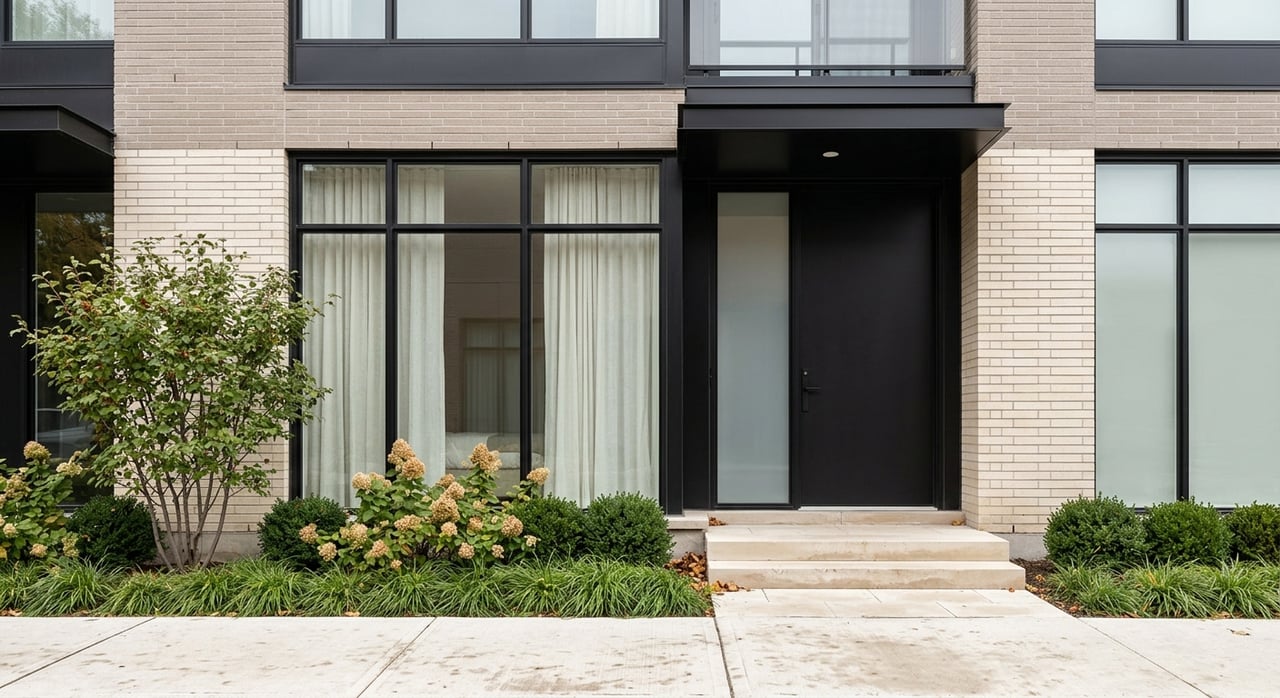
If you are trying to buy in Davisville Village, the biggest question may not be whether to buy, but what type of home actually fits your life and budget. In one small Midtown pocket, you can find condo apartments near the Yonge transit spine, townhouse-style options with more room to spread out, and scarce semi-detached homes on lower-rise streets. The right choice depends on how you want to live, what monthly costs you can comfortably carry, and how much space you truly need. Let’s dive in.
Why Davisville Gives You Real Choice
Davisville Village is not a one-format neighbourhood. According to the City of Toronto’s Midtown planning framework, the area includes both higher-density apartment neighbourhoods and lower-rise streets with housing types such as semi-detached homes, townhouses, duplexes, triplexes, and walk-up apartments. That mix is part of what makes Davisville appealing if you want options within the same broader neighbourhood context.
In practical terms, the area around Yonge and Davisville tends to be more transit-oriented and denser, while side streets farther from Yonge often include more low-rise freehold homes. If access matters, Davisville Station on Line 1 also connects to surface routes 11, 14, 28, 97, and 320. The City is also advancing public improvements in the area, including a new Davisville Community and Aquatic Centre and a new park at 20 Castlefield Avenue, which it describes as the largest park addition in Midtown in decades in a fast-growing area with limited parkland supply.
Start With the Three-Way Trade-Off
For most buyers in Davisville, the decision comes down to three main things:
- Entry price
- Interior space
- Monthly carrying costs and upkeep
A simple way to frame it is this: condos usually win on convenience and lower entry price, townhouses often balance space and cost, and semis offer the most house-like ownership experience. In Davisville, current inventory and pricing support that ladder.
Condos in Davisville
Why condos draw many buyers
Condos are typically the most accessible entry point in Davisville. They also make up the largest share of available listings, which gives you more flexibility on price, size, building age, and monthly fee level than you will usually get with low-rise freehold homes.
Wahi’s March 2026 Davisville snapshot reported 86 active listings, including 71 condos, compared with just 4 semi-detached homes and 4 townhouses. Over the prior 30 days, it reported 40 new condo listings and no new semis or townhouses. That does not tell you what will happen next, but it does show that condo buyers usually have the deepest inventory pool to work with in this neighbourhood.
What you usually get
Current examples in Davisville show condo pricing around roughly $524,900 to $729,000, with many units clustering around 500 to 900 square feet. Wahi also reported a recent median sold price of $633,100 for condos in the neighbourhood. For context, CREA/TRREB fourth-quarter 2025 data put Toronto’s median condominium apartment price at $552,000.
That means a Davisville condo may cost more than the broader Toronto condo-apartment median, while still remaining far below the typical price of a semi in the same area. If you want Midtown access without moving into a freehold price bracket, that gap matters.
What to watch with condo fees
The biggest budgeting difference with condos is common expenses. The Condominium Authority of Ontario explains that these fees can cover common elements, reserve-fund contributions, cleaning, building maintenance, and management services. It also notes that major shortfalls can lead to special assessments.
That is why fee size alone never tells the full story. You want to know what the fee includes, how the reserve fund is doing, and whether the building’s operating budget looks healthy. CMHC also advises buyers to review disclosure statements, status certificates, and operating budgets before they commit.
In Davisville, some listings note that maintenance fees may include items such as heat, parking, water, air conditioning, common elements, and building insurance. That can make monthly costs more predictable, but it can also mean the fee is a meaningful part of your total payment even in a modest-sized unit.
Townhomes in Davisville
Why townhomes sit in the middle
Townhomes often appeal to buyers who want more space and a more house-like layout, but who are not ready to jump to semi-detached pricing. In Davisville, that middle ground can be very attractive because it may offer extra square footage, multiple levels, and sometimes private outdoor access.
The challenge is availability. Townhouse supply in Davisville is thin, which means you may need to act quickly when a suitable option comes to market.
Freehold or condo townhouse matters
This is one of the most important questions you can ask. In Davisville, some townhouse-style homes are condo townhouses or townhouse-style suites rather than true freehold row houses. That means you need to confirm whether you are buying land ownership or a condo interest, because the ownership structure will shape both your rights and your monthly costs.
That distinction can change the math in a major way. A condo townhouse may offer more space than an apartment-style condo, but it can still come with monthly common expenses. A freehold townhouse may avoid those fees, but then you take on more direct responsibility for repairs and replacements.
What you might pay
Current local examples show the spread clearly. A freehold townhouse at 487 Davisville Avenue East was listed at $1,149,000, while a freehold townhouse at 219 Davisville Avenue sold for $1,662,500 in April 2025. Toronto-wide, CREA/TRREB data put the fourth-quarter 2025 median price for condominium townhouses at $680,500.
That wider Davisville range reflects how varied townhouse product can be. Layout, ownership structure, condition, and exact location all matter, so it is smart to compare homes on a case-by-case basis instead of assuming all townhouses sit in one neat price band.
Semis in Davisville
Why semis command attention
If you want the most house-like option of the three, semis are usually the closest fit. They often offer more interior space, fewer shared walls than a condo or many townhomes, and a stronger sense of low-rise ownership on Davisville’s side streets.
They are also scarce. Wahi’s March 2026 snapshot showed just 4 active semis in Davisville, compared with 71 condos. That limited supply is one reason semis often command a noticeable premium in this neighbourhood.
What the numbers suggest
Wahi reported a recent Davisville median sold price of $1,420,000 for semis. For broader context, CREA/TRREB’s fourth-quarter 2025 median for semis across Toronto was $910,000. That is a factual comparison only, but it does show that Davisville semis currently sit well above the citywide semi-detached median.
On the size side, the current semi example at 554 Balliol Street was reported in the 1,100 to 1,500 square foot range, compared with condo examples often around 500 to 900 square feet. If your move is driven by space first, that difference may justify the higher entry point.
Comparing Condos, Townhomes, and Semis
| Property Type | Typical Davisville Role | Current Local Pricing Snapshot | Typical Space Snapshot | Main Trade-Off |
|---|---|---|---|---|
| Condo | Lowest-entry option | Around $524,900 to $729,000 examples; $633,100 median sold | Often 500 to 900 sq ft | Lower entry price, but monthly fees matter |
| Townhome | Middle ground | Examples from $1,149,000 to $1,662,500 | Often more than condos, less clear-cut by type | More space, but supply is limited and ownership structure varies |
| Semi | Most house-like option | $1,420,000 median sold; current example around $1,409,990 | Often 1,100 to 1,500 sq ft in current example | More space and privacy, but much higher entry price |
Monthly Costs Matter as Much as Price
It is easy to focus on purchase price and miss the bigger monthly picture. In Davisville, the better question is often not “What can I buy?” but “What can I comfortably carry?”
Across condos, townhomes, and semis, you will likely need to budget for:
- Mortgage payments
- Residential property tax
- Utilities and insurance where applicable
- Maintenance fees or owner-paid repairs
- Land transfer tax at closing
Toronto’s 2025 residential property tax rate was 0.754087%. Buyers should also remember that Toronto charges municipal land transfer tax in addition to Ontario’s provincial land transfer tax.
For freeholds, the lack of condo fees does not mean low upkeep. The Financial Consumer Agency of Canada home-buying worksheet suggests setting aside one to three percent of home value per year for repairs and maintenance as a general guideline. That is only a benchmark, but it is a useful reminder that roofs, windows, HVAC systems, and exterior repairs still need a place in your budget.
How to Choose the Best Fit for You
Choose a condo if you want convenience
A condo may be the best fit if you want the lowest entry point in Davisville, easy transit access, and less day-to-day maintenance. It can also make sense if you want the most listing choice and the ability to compare several buildings, layouts, and fee structures before making a move.
Choose a townhome if you want balance
A townhome may be your best match if you want more room than a typical condo and a more residential layout, but still want to stay below the price of many semis. Just make sure you confirm whether it is freehold or condo ownership before you compare monthly costs.
Choose a semi if you want long-term space
A semi may be the strongest fit if space, privacy, and a lower-rise setting matter most to you. In Davisville, that usually means a higher price and fewer options, but for some buyers the extra room and ownership structure make that trade worth it.
A Smart Davisville Buying Checklist
Before you choose between a condo, townhome, or semi in Davisville, ask:
- How much interior space do you realistically need in the next few years?
- Do you want lower day-to-day maintenance, or are you comfortable managing repairs directly?
- If it is a townhouse, is it freehold or condo ownership?
- If it is a condo, what exactly is included in the maintenance fee?
- How healthy is the building’s reserve fund?
- How important is quick access to Davisville Station and the Yonge corridor?
- Are you comfortable with the current gap between condo pricing and semi pricing in this neighbourhood?
The right answer is not the same for every buyer. In Davisville, the best purchase is usually the one that matches your lifestyle, monthly comfort level, and expected time horizon, not just the one that looks best on paper.
If you want help comparing ownership types, carrying costs, and current opportunities in Davisville Village, Catherine Mortimer can help you build a clear, personalized market plan.
FAQs
What is the main difference between a condo, townhome, and semi in Davisville Village?
- In Davisville, condos are usually the lowest-entry and most available option, townhomes often offer a middle ground on space and price, and semis are typically the most house-like and expensive of the three.
What should you check before buying a townhouse in Davisville Village?
- You should confirm whether the townhouse is freehold or a condo townhouse, because that affects land ownership, monthly fees, and your repair responsibilities.
What do condo maintenance fees usually cover in Davisville Village?
- Condo fees may cover items such as common elements, reserve-fund contributions, cleaning, management, and sometimes heat, water, parking, air conditioning, or building insurance, depending on the building.
How does condo inventory compare with semi and townhome inventory in Davisville Village?
- Recent Davisville market data showed condos make up the vast majority of active listings, while semis and townhomes are much harder to find.
Why are semis typically more expensive in Davisville Village?
- Semis are scarce in Davisville and usually offer more space, fewer shared walls, and a more traditional low-rise ownership experience, which helps explain their higher local price point.
What location question matters most when buying in Davisville Village?
- A key question is whether you want to be closer to Davisville Station and the Yonge transit spine or on quieter lower-rise streets farther from the main corridor.