Wondering whether a Rosedale home should come with original millwork and century-old character or a more turnkey, polished finish? If you are buying in one of Toronto’s most established neighbourhoods, that choice matters more here than in many other parts of the city. Rosedale offers a rare mix of intact heritage houses, major renovations, and carefully controlled newer luxury homes, each with a very different ownership experience. Let’s break down how to compare them with confidence.
Why Rosedale Feels Different
Rosedale is not just a collection of expensive homes. The City of Toronto describes it as one of the city’s earliest picturesque suburbs, shaped by curving streets, mature trees, park-like lots, and architectural styles dating from the 1880s to the 1930s. South Rosedale and North Rosedale are both Heritage Conservation Districts, which means the setting is part of the value, not just the house itself.
That streetscape matters when you walk the neighbourhood. In South Rosedale, mature trees, landscaped boulevards, and private gardens help create the area’s distinct character. For many buyers, the appeal starts before you even step through the front door.
Rosedale is also not a one-note housing market. In the broader Rosedale-Moore Park area, single-detached houses made up the largest share of occupied dwellings at 48%, and owner households slightly outnumbered renters. In other words, this remains a house-focused market where long-term ownership is a major part of the neighbourhood story.
Heritage Charm in Rosedale
A heritage home in Rosedale usually means more than old bones and pretty details. In South Rosedale, most of the building stock is more than 80 years old and largely intact. In North Rosedale, the character shifts by sub-area, from ravine-edge lots with Victorian, Edwardian, and Arts and Crafts houses to denser sections with smaller lots and tighter side setbacks.
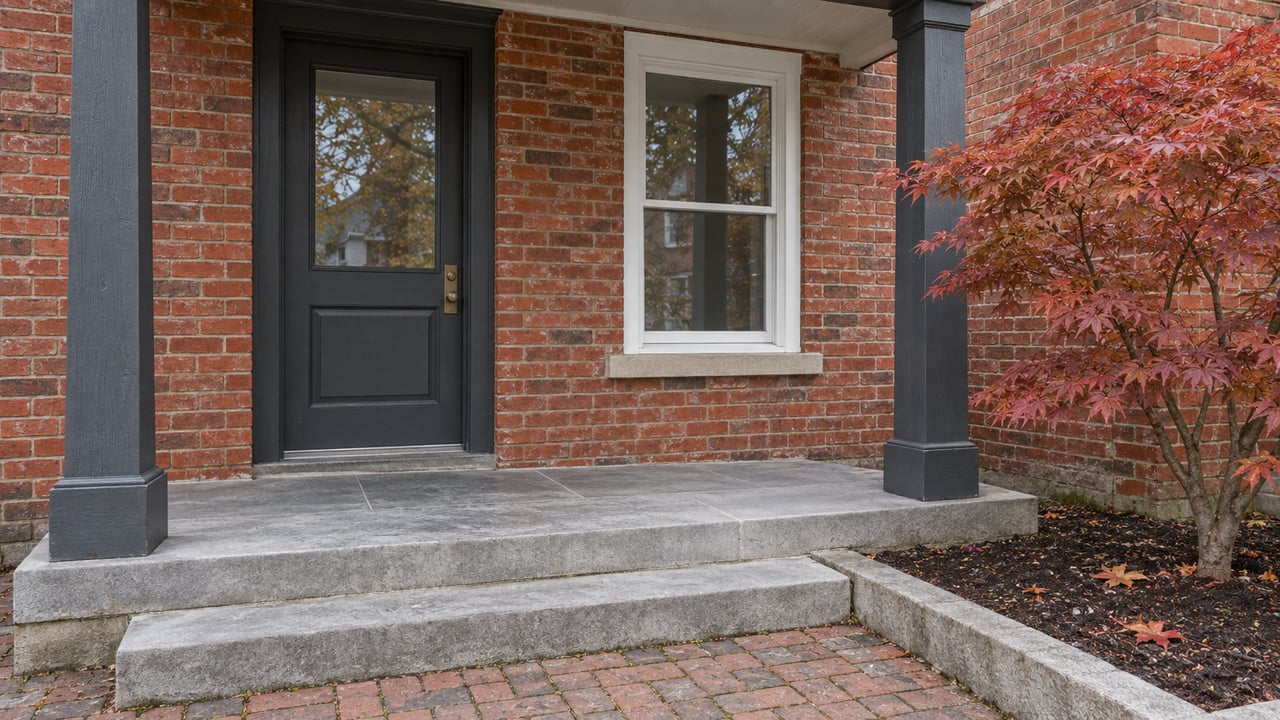
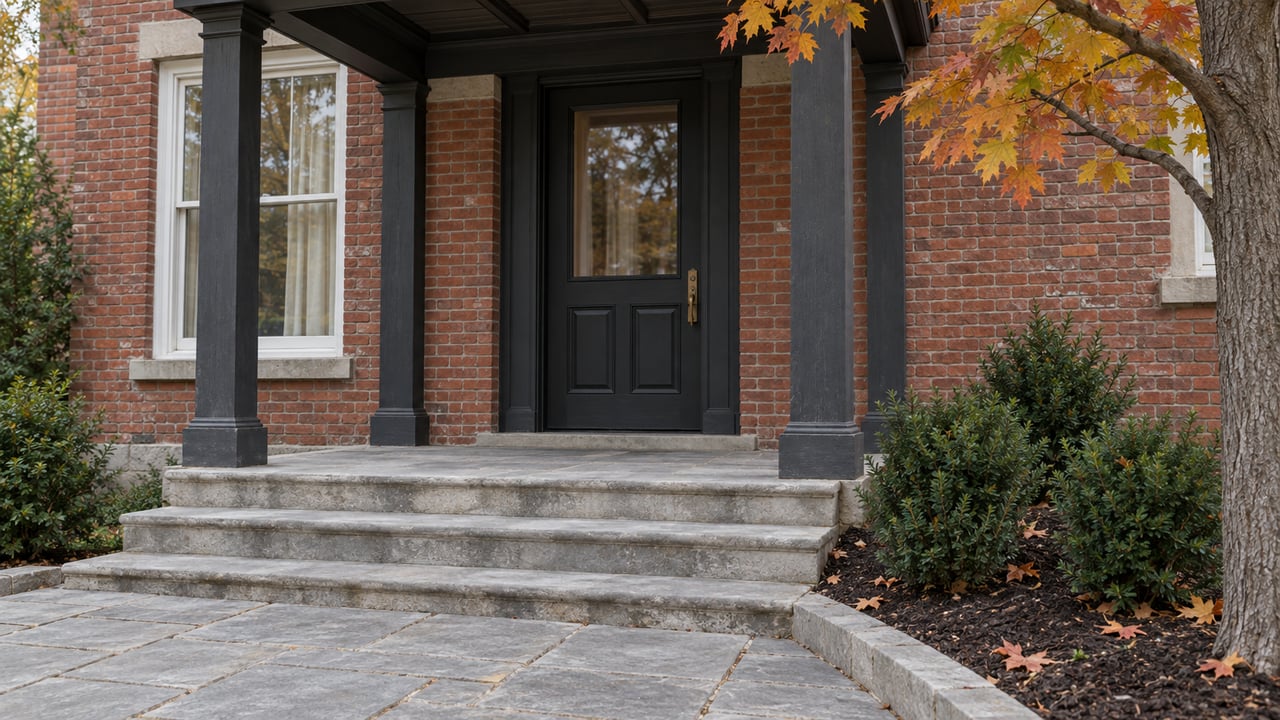
For buyers who love authenticity, that can be the dream. You may find original doors, porches, window proportions, masonry details, and a scale that feels rooted in the neighbourhood’s history. These homes often deliver the kind of presence and architectural texture that is hard to replicate.
But heritage charm comes with practical tradeoffs. In a Heritage Conservation District, every property is subject to the district by-law, and changes are guided by an HCD plan. Zoning still governs land use and standards, but the heritage plan focuses on how changes fit the existing character.
What ownership can look like
If you own a designated heritage property, you may need a heritage permit before making visible exterior changes. That can include work involving skylights, vents, exterior air-conditioning units, masonry cleaning or painting, and replacement windows. Interior alterations are generally exempt, and in North Rosedale, landscaping, walkways, and driveways do not require a heritage permit.
The City’s conservation approach is usually repair first rather than full replacement. South Rosedale’s plan specifically encourages the repair of significant architectural elements where reasonable and supports alterations that stay consistent with the building’s size, scale, proportions, and detailing. That means preserving charm often also means committing to careful stewardship.
Who heritage homes suit best
Heritage homes often appeal to buyers who value architectural integrity and are comfortable with a more hands-on ownership experience. If you love craftsmanship, unique rooms, and the idea of caring for a property over time, the tradeoff may feel worthwhile. The reward is a home with history and a setting that newer neighbourhoods simply cannot recreate.
Modern Luxury in Rosedale
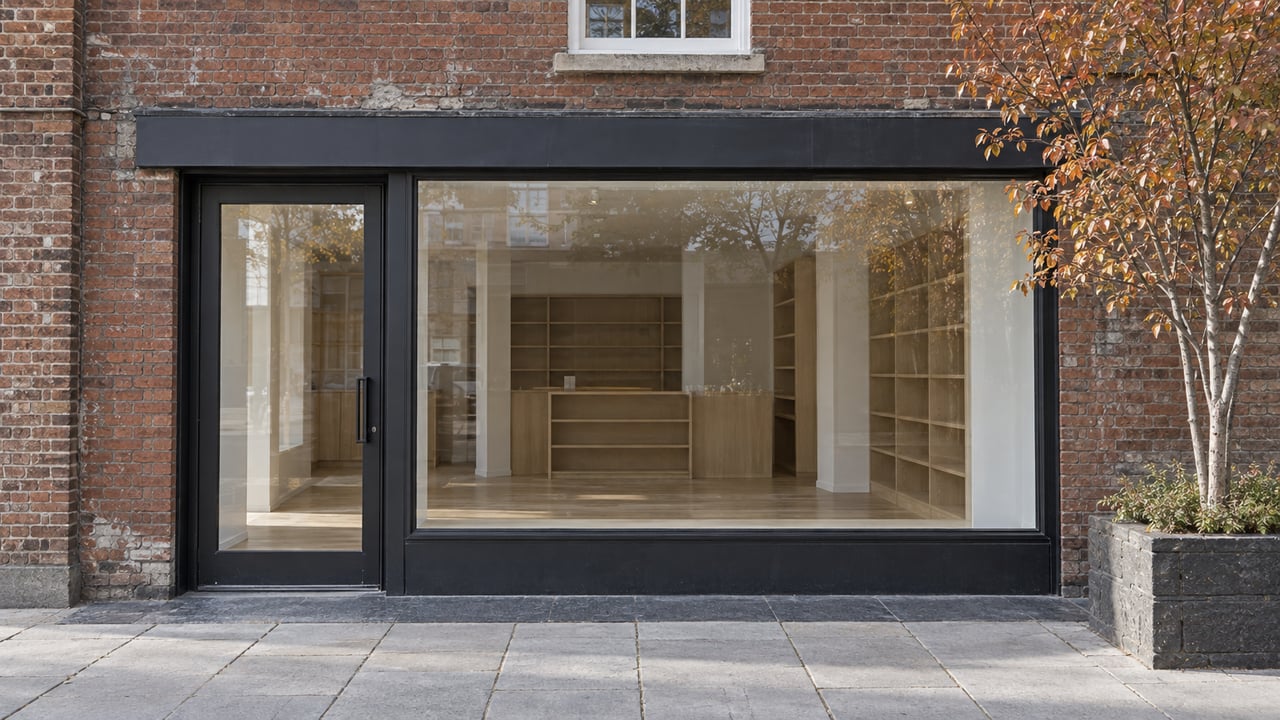
If you picture clean interiors, updated systems, and a more turnkey day-to-day lifestyle, Rosedale has options for that too. The key is understanding that “new” in Rosedale does not usually mean unconstrained custom construction. It more often means a major renovation or a replacement home shaped by heritage rules, lot geometry, and streetscape compatibility.
That distinction matters. In South Rosedale, the City notes that most construction in the district will happen as alterations or additions to existing buildings. Demolition of an unrated building may be permitted if the replacement building meets the guidelines and zoning, while higher heritage-category buildings face much stronger resistance to demolition.
North Rosedale follows a similar logic. New buildings and additions must be compatible with heritage buildings in scale, massing, height, setback, entry level, materials, and window patterns. Integral garages and below-grade entrances are strongly discouraged, which helps explain why even newer luxury homes in the area often feel restrained from the street.
What “modern luxury” really means here
In Rosedale, modern luxury is usually one of two things:
- A major renovation that keeps the home’s street presence while significantly updating the interior
- A contextual replacement build designed to fit the heritage setting
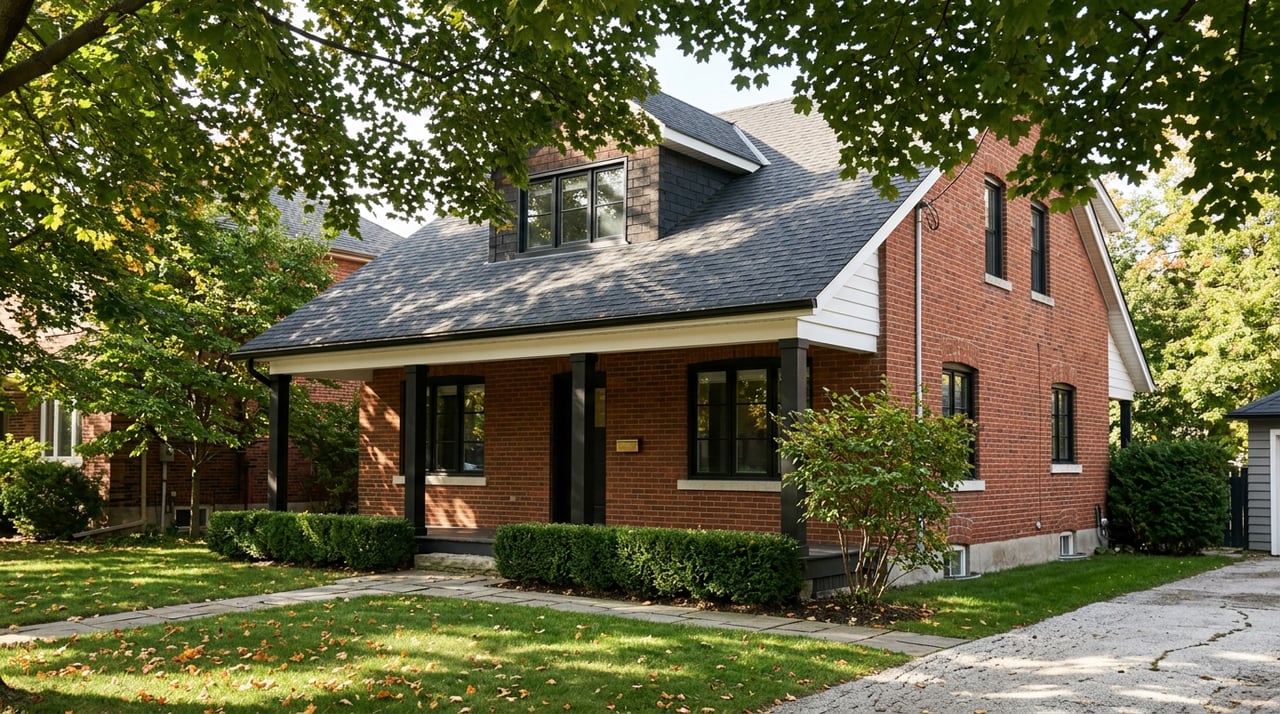
That is why many of the best modern options in Rosedale do not look flashy from the curb. The luxury may show up instead in layout, natural light, finishes, mechanical systems, and livability.
Who modern luxury suits best
Turnkey buyers often lean toward comprehensive renovations or newer replacement homes because they can reduce immediate repair demands. If you want a polished home with fewer early projects and more interior flexibility, this category can be very appealing. It can also be a strong fit if you love the neighbourhood but do not want to take on the full maintenance rhythm of an intact heritage property.
Heritage vs Modern Luxury
Here is the simplest way to compare the two in Rosedale.
| Feature | Heritage Original | Modern Luxury Option |
|---|---|---|
| Character | Strong original architectural fabric | Updated or newly built with contextual design |
| Exterior changes | Higher permit sensitivity for visible work | Still regulated, but often planned with approvals in mind |
| Maintenance | Often higher, especially for masonry, wood details, windows, and roofs | Typically lower in the near term, depending on the scope of renovation or build |
| Interior layout | May reflect older room patterns | Usually more flexible and contemporary |
| Streetscape fit | Naturally embedded in the heritage setting | Must be designed to remain compatible with the area |
| Buyer appeal | Authenticity-focused buyers | Turnkey and design-driven buyers |
The better choice is not about which category is “better” on paper. It is about which one matches how you want to live and how much flexibility, maintenance, and approval process you are comfortable with.
The Cost of Character
Price is part of the decision too. According to the TRREB Q4 2025 community report for Rosedale-Moore Park, the area recorded 53 sales, with an average price of $2.857 million, a median price of $1.749 million, 109 active listings, 38 average days on market, and an average sale-to-list ratio of 94%.
Detached homes stood out with an average price of about $4.415 million across 22 sales. Condo apartments averaged about $1.035 million across 15 sales. That spread shows just how much the detached-home segment can vary and why the choice between original heritage fabric, deep renovation, and newer luxury construction is such a meaningful one.
In a market like this, style is not just cosmetic. It affects your maintenance planning, approval timelines, renovation options, and overall ownership experience.
Questions to Ask Before You Buy
Before you decide between heritage charm and modern luxury, it helps to ask a few practical questions.
How much upkeep do you want?
Older homes may require ongoing attention to masonry, windows, doors, wood detailing, and slate roofs. Some buyers enjoy that responsibility, while others would rather minimize it. Knowing your comfort level early can save you time and frustration.
How important is layout flexibility?
If you want a more open, contemporary flow, a major renovation or replacement home may be the easier fit. Heritage homes can absolutely be updated, but the process may involve more careful planning, especially for visible exterior changes.
Are you prepared for approvals?
In heritage districts, visible exterior work may require permits and review. That does not mean change is impossible, but it does mean your timelines and decisions need to account for process. Buyers who understand this upfront are often much happier with their purchase.
Do you value originality or convenience more?
Some buyers light up at original window sashes, period details, and historic proportions. Others are happiest with modern systems, less immediate maintenance, and a move-in-ready finish. Rosedale can offer both, but rarely in the same way.
A Smart Way to Compare Homes in Rosedale
The smartest comparison is not old versus new. It is authenticity versus flexibility, character versus convenience, and stewardship versus ease. Rosedale sits on a spectrum that includes intact heritage homes, deeply renovated houses, and carefully controlled luxury replacement builds.
That is what makes the neighbourhood so compelling. You are not choosing between charm and quality. You are choosing which version of quality best fits your lifestyle, your timeline, and the kind of ownership experience you want.
If you are weighing a classic Rosedale home against a more updated luxury option, working with a local advisor can make that comparison much clearer. For tailored guidance on Rosedale homes, market positioning, and what to look for in each property type, connect with Catherine Mortimer.
FAQs
What makes a Rosedale heritage home different from a regular older house?
- In Rosedale, many homes sit within Heritage Conservation Districts, which means exterior changes are guided by heritage rules in addition to regular zoning standards.
Can you renovate a heritage home in Rosedale, Toronto?
- Yes, but visible exterior work may require a heritage permit, and the City generally encourages repair and compatibility rather than wholesale replacement.
Are new luxury homes allowed in Rosedale?
- Yes, but they are typically contextual replacement builds or major renovations that must fit the neighbourhood’s heritage character, scale, and streetscape.
Is South Rosedale different from North Rosedale for home styles?
- Yes, South Rosedale is known for largely intact older housing stock and landscaped streets, while North Rosedale includes distinct sub-areas with different lot patterns, topography, and housing character.
What price range should buyers expect in Rosedale-Moore Park?
- TRREB reported a Q4 2025 average price of $2.857 million for the community overall, with detached homes averaging about $4.415 million.
Are heritage homes in Rosedale more expensive to maintain?
- They can be, because older materials and details such as masonry, woodwork, windows, doors, and slate roofs often need ongoing care and specialized repair.