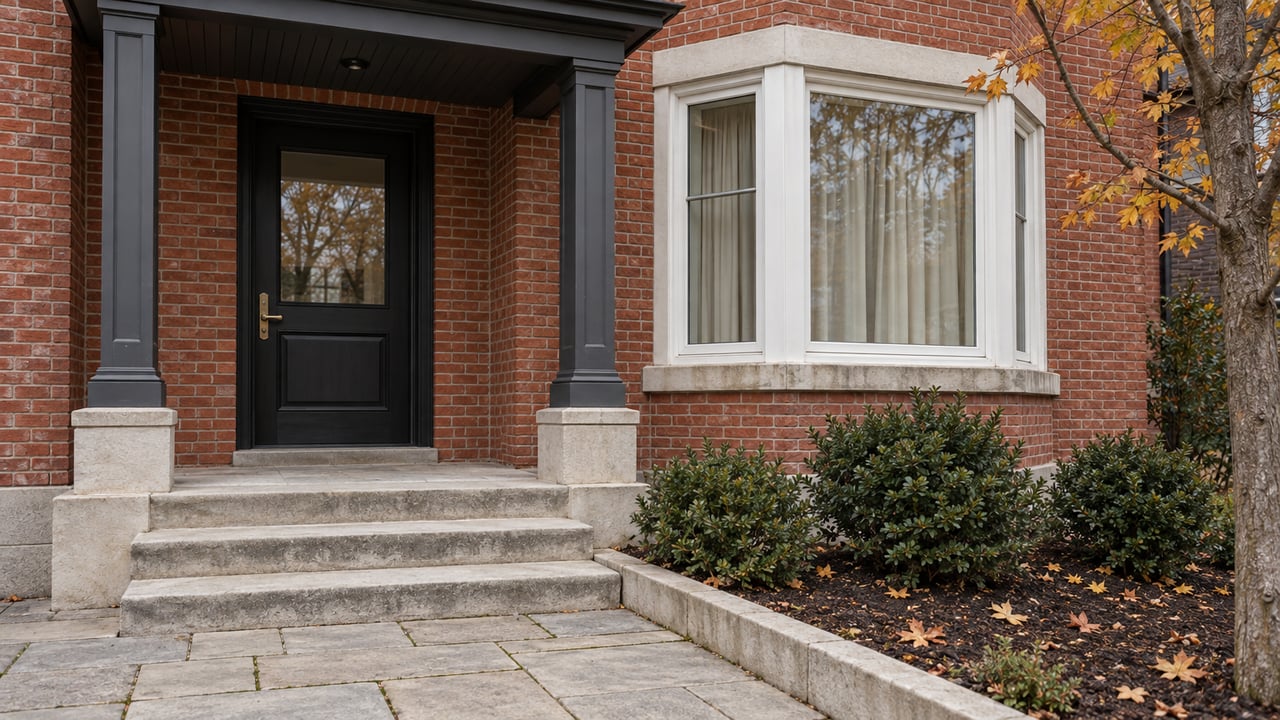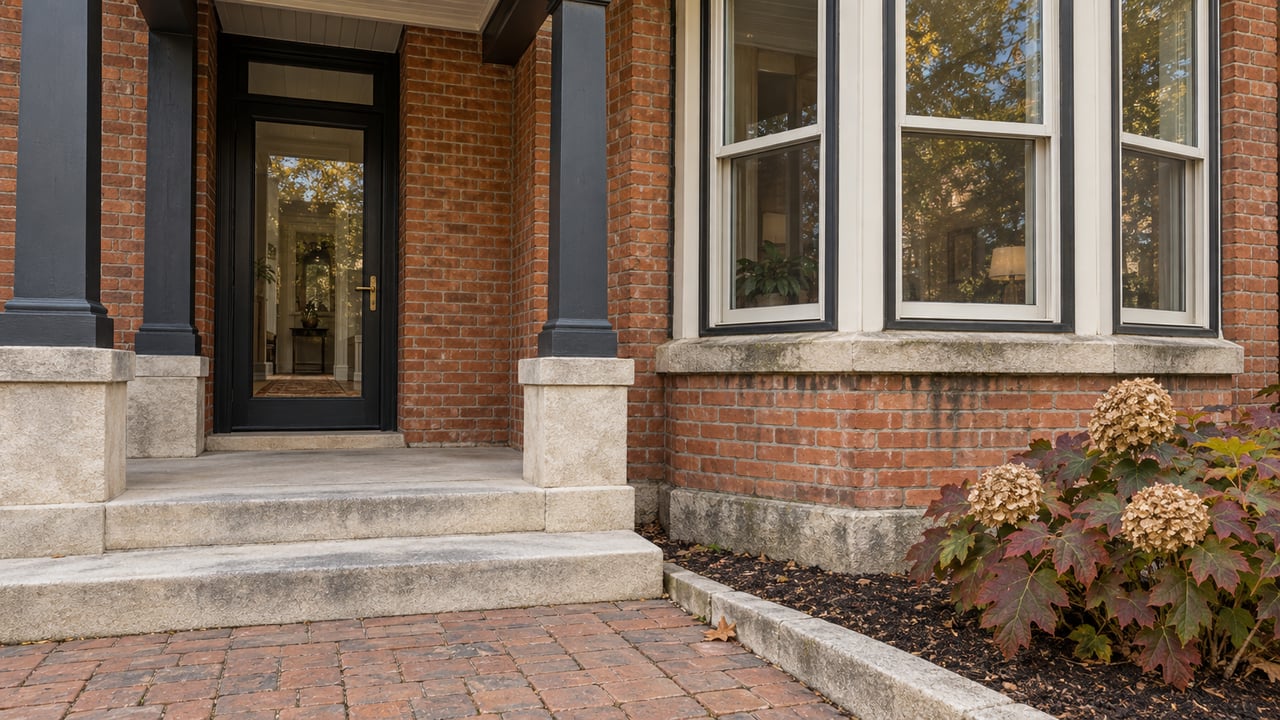
In October 2026, a semi-detached house in TRREB district E01 sold for an average of 108% of its asking price after 13 days on the market. A condo apartment in the same district sold for 98% of asking. TRREB's E01 district groups four City of Toronto communities: North Riverdale, Blake-Jones, Greenwood-Coxwell and South Riverdale. If you own a one-bedroom near Queen and Carlaw and want a semi a few blocks away, you'll be selling in one of those markets and buying in the other.
Many condo owners begin with the gap between the two prices. That gap is smaller than it was a year ago. The bigger cost now comes from the difference in speed between the two deals, and the order you do them in.
The Gap Got Smaller
Comparing October with October each year takes out the seasonal swing. These figures are TRREB's average sale prices for E01:
| October | Semi-detached average | Condo apartment average | Gap |
|---|---|---|---|
| 2024 | $1,366,417 | $741,764 | $624,653 |
| 2025 | $1,390,421 | $751,360 | $639,061 |
| 2026 | $1,262,333 | $698,222 | $564,111 |
Between October 2025 and October 2026, the gap a condo owner had to cover shrank by $74,950. That's the opposite of the GTA-wide trend. In TRREB's October 2026 report, average condo apartment prices across its whole market were down 5.8% from a year earlier and semis were down only 0.8%. Across the GTA, condos fell more than semis. In E01, semis fell more.
Read that number with care. In October 2026, E01 had nine condo apartment sales and thirty semi sales. With samples that small, one large loft or one fully renovated semi can move a monthly average a long way.
Four Months of E01 Prices and Pace
Monthly figures from July through October 2026 show which number is steady and which one isn't.
| 2026 | Semi avg. price | Semi sale-to-list | Condo avg. price | Condo sale-to-list | Condo active listings per sale |
|---|---|---|---|---|---|
| July | $1,198,353 | 109% | $665,765 | 98% | about 3.5 |
| August | $1,215,000 | 101% | $785,500 | 96% | about 4.4 |
| September | $1,286,913 | 113% | $927,946 | 97% | about 4.2 |
| October | $1,262,333 | 108% | $698,222 | 98% | about 6.6 |
Over those four months, the average semi price minus the average condo price ranged from about $359,000 in September to $564,000 in October. A swing that size mostly reflects which condos happened to sell each month. It doesn't tell you much about value.
The pricing pressure barely changed. In each of those four months, E01 condos sold for 96% to 98% of asking. Semis sold for 101% to 113%. E01 had between 53 and 59 condo apartments listed for sale at any time, against 9 to 17 condo sales a month. On the semi side, September and October each had fewer than two active listings per sale. September semis sold in an average of 12 days. September condos took 34.
For a condo owner, this pattern matters more than any single month's average.
Asking Prices Hide Part of the Gap
Owners often size up a move by comparing what their unit is listed at with what semis on their favorite streets are listed at. In E01 this fall, that comparison comes out short.
The October 2026 averages show why. A condo that sold for $698,222 at 98% of asking was listed at roughly $712,000. A semi that sold for $1,262,333 at 108% of asking was listed at roughly $1,169,000. The gap between asking prices was about $456,000. The gap between final sale prices was $564,111. These are approximations built from averages, but the direction holds. Comparing asking prices made the move look about $108,000 cheaper than it turned out to be.
That's because the two asking prices mean different things. In this market, a semi's asking price is often set below where it will sell, to draw a crowd for offer night. A condo's asking price is closer to the most the seller can expect.
Sell First or Buy First: Neither Order Is Free
When both deals run at the same speed, the order matters less. In E01 this year they don't, and each order carries its own cost.
If you sell first, the condo sale sets your budget before you start bidding on a semi. The risk is the gap between closing on the condo and winning a semi, in a market where semis sell in about two weeks and over asking. In July, The Globe and Mail described a pandemic-era couple who planned to sell their condo before buying a house because they needed a set amount from the sale. The same article described other owners prepared to stay in their condo for a long time until the right house came up.
If you buy first, you're competing on the semi when competition is highest, and then selling the condo into a market with roughly four to six listings for every sale. The Globe also reported that owners hoping to move up were more willing to cut the condo's price if that got it sold on time. In E01 terms, a price cut is the cost of buying first. When a semi sells in 13 days and a condo takes longer to find a buyer, that cost comes out of the sale price.
Some owners avoid the sale entirely. In February, The Globe and Mail profiled condo owners across the GTA who bought between 2020 and 2022, planning to sell after about five years and buy a house. When prices shifted, several leased their units instead, some at rents below what the unit cost them each month. That's a decision about cash flow and timing, and it depends on your own numbers more than anything in this post.
Why Condos Are the Slower Side
The slow condo market isn't unique to Leslieville. The Toronto Star reported that the City of Toronto's average condo price in June 2026 was $665,760, down 9% from a year earlier. TRREB's Jason Mercer told the Star the gap came down to how many condos are on offer compared with how few detached homes are available. In the same July Globe and Mail report, BMO senior economist Robert Kavcic said Ontario condo prices fell 8.3% in the year to May 2026, about twice the drop for detached homes, and called the condo market "a different, weaker animal altogether."
Leslieville's condo stock is mostly boutique buildings, which helps a little. A Leslieville condo seller is competing with buildings like Wonder at 462 Eastern Avenue, the 286-unit Graywood and Alterra conversion, and Biblio Lofts at 763 Queen Street East, NVSBLE's 30-residence building, which UrbanToronto lists as completed in 2026. A small, distinctive building like these competes on character rather than on price per square foot against towers of near-identical units. That gives a seller some room. But it doesn't change E01's sale-to-list ratio, which sat at 96% to 98% all four months.
The Ontario Line doesn't change this trade much either. Metrolinx is building Leslieville Station at Queen Street East and De Grassi Street. Its August 2026 community presentation said support-column work at the Strange Street and Queen site would start in September and take eight to nine months. A condo and a semi a few blocks apart will be about the same distance from that station, so the line affects both sides of the trade together. Our earlier post on Leslieville's Queen Street construction covers what it means for the street day to day.
A Few Quick Questions
Is the smaller gap good news for condo owners? On paper, yes. Between October 2025 and October 2026 the E01 gap between average semi and average condo prices fell by $74,950. But the monthly numbers swing by six figures, so the more dependable measure is that condos sell below asking and semis above it.
Does this hold for row houses too? Mostly. E01 attached and row homes sold at 109% of asking in October 2026, after an average of 14 days on the market, over seven sales. The pace is close to semis, though at seven sales a month the sample is even smaller.
When does newer data arrive? TRREB released its October 2026 Market Watch on November 4, and the November report is the next one due. A single month will add a few more sales to the record, but it's unlikely to tell you much more than what's above.
At Catherine Mortimer, we treat a condo-to-semi move in Leslieville as one plan with two sides: how to price and present your condo for a slower market, and when to step into a faster one for the semi you want. You can start with a valuation of your current home or browse our Leslieville neighbourhood guide, and when you're ready, request a personalized market plan for your move.