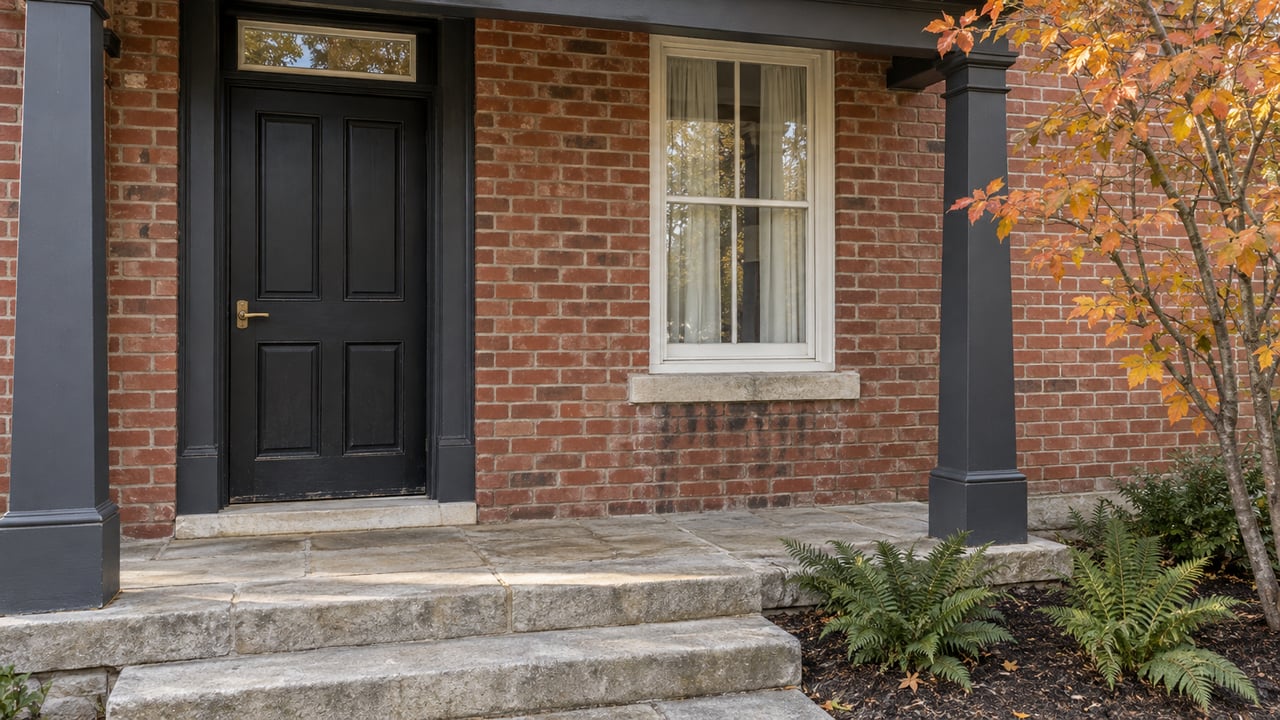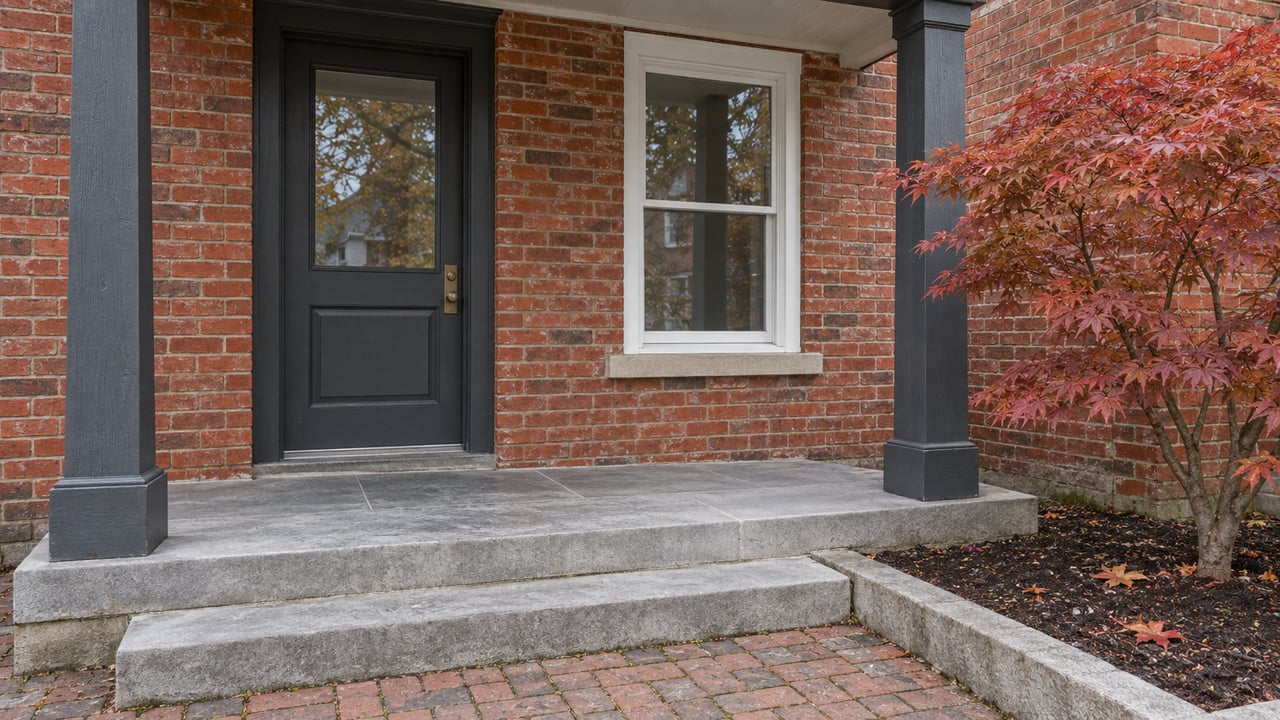
If you blink, the right Summerhill home can be gone. This pocket of midtown Toronto moves fast when a well‑presented property hits the market, and the best listings often invite multiple offers. You want to compete with confidence and still protect your interests. In this guide, you’ll learn how to set up your financing, structure a clean offer, and time your move so you can win your ideal home without unnecessary risk. Let’s dive in.
Why Summerhill is competitive
Summerhill is a small, established neighbourhood with tree‑lined streets, period architecture, and select modern infill. Inventory is limited and many owners are long‑term, so the best homes see quick interest. That is why a well‑priced, move‑in listing can still draw multiple offers. You can read more about the area’s character in the overview of Summerhill in Toronto.
Citywide trends only tell part of the story. Recent market watches show mixed signals across the GTA, with sales and listings moving differently by area and property type. In practice, street‑level conditions and listing presentation often drive outcomes more than averages. Use the broader context from the TRREB Market Watch, but act on hyperlocal supply and timing.
Seasonality and cadence
Spring and early summer typically bring more listings in Toronto. In a tight submarket like Summerhill, actual timing is shaped by owner plans, estate timing, and school‑year cycles. Watch pre‑listing buzz and open‑house schedules to spot emerging pockets of inventory. TRREB’s updates reinforce that timing windows can be brief, so preparation matters.
Get your financing and team ready
Winning in Summerhill starts before you see the house. Two things signal strength immediately: airtight financing and a responsive team.
Secure full pre‑approval and proof of funds
A written mortgage pre‑approval that verifies your income, credit, and down payment source is your strongest credibility tool. Many lenders will lock a rate for a defined period, which helps you plan. Keep your current pre‑approval letter and a separate proof‑of‑funds document ready to share. For a clear checklist of steps, review CMHC’s guidance on getting fully pre‑approved.
Plan your deposit and delivery
In competitive Ontario transactions, buyers often prepare a deposit in the 5 to 10 percent range of the purchase price. The deposit is usually payable to the listing brokerage’s trust account shortly after acceptance and becomes part of your down payment on closing. Methods and timing vary by deal, so confirm specifics with your lawyer and agent. The Law Society’s annotated guidance covers deposits and timing in detail. Review the relevant notes in this OREA Agreement of Purchase and Sale resource.
Line up your local team
Choose a buyer’s agent who knows Summerhill and a Toronto real estate lawyer who can act quickly. You also want an inspector and key trades on standby. RECO outlines how multiple‑offer processes should be handled and what information buyers are entitled to know, such as the number of competing offers. Read the RECO consumer guide so you understand your rights.
Structure a winning offer
In Summerhill, you win by pairing the right price with the right terms. Keep the Agreement of Purchase and Sale precise, complete, and easy for the seller to accept.
Choose smart, short conditions
Common buyer protections include financing approval, home inspection, lawyer review, and for condos, a status certificate review. If you need protections, use tight timelines and a clear scope. For example, an inspection condition focused on major systems within 48 to 72 hours can preserve competitiveness while reducing risk. CMHC and CAHPI both stress the value of inspections as consumer protection. Learn more about pre‑purchase inspection best practices.
Time your irrevocable wisely
Your irrevocable time sets how long the offer remains open for acceptance. Short windows are common in competition, but an overly tight deadline can backfire if the listing side needs time to present all offers. Coordinate timing with your agent based on the listing’s process and instructions. For context on how irrevocables work, see the Law Society’s notes in the APS guidance.
Use escalation clauses cautiously
Escalation clauses can help you respond to competing bids without naming your top price outright. They also carry verification and confidentiality risks in Ontario. If you use one, cap your maximum, state the increment, and include a verifiable method to confirm the competing offer number without disclosing personal details. Many listing agents prefer straightforward, high‑certainty offers. Review the debate and risks outlined in this legal commentary on escalation clauses, and consult your lawyer first.
Add non‑price terms that move the needle
In a close race, non‑price terms often decide the winner. Examples include:
- Flexible possession and closing dates that fit the seller’s plans
- A seller rent‑back for a defined period
- A short, well‑scoped inspection or lawyer review period
- Certainty on chattels and inclusions
Your agent should ask the listing side what matters most so you can tailor terms. RECO’s guidance on offers and disclosures helps set clear expectations for how information is shared in multiple‑offer situations. Review the RECO consumer guide before you submit.
Property type insights for Summerhill
Summerhill’s homes range from Victorian and Edwardian houses to newer infill and low‑rise condos. Each type has unique due‑diligence needs.
Older houses: what to check first
Heritage charm can come with legacy systems. Prioritize wiring, plumbing, roof age, grading and drainage, and foundation or sewer risks. A focused inspection with a qualified professional is essential. If you plan a major renovation or teardown, confirm if the property is listed or designated under heritage guidelines, since that can change permissions and timelines. Start with the City’s overview of the Heritage Register and review process, and engage Heritage Preservation Services early.
Newer infill, townhomes, and condos
Newer builds often deliver efficient layouts and modern mechanicals. Quality can vary, so verify permits and consider a contractor review if you plan changes. For condos or condo townhomes, plan time for a full status certificate review and lawyer analysis of reserve funds, by‑laws, and recent minutes. The Condominium Act provides up to 10 days to obtain the certificate. Get familiar with what a condo status certificate includes.
Semi‑detached vs detached
Semis can offer a lower entry point than detached homes, but both trade at premium absolute prices in this location. Semis share a party wall, which can reduce some exterior maintenance but may limit expansion options. Detached properties provide more flexibility and often higher carrying costs. Local reporting shows Summerhill semis and small detached homes frequently sell in the multi‑million range, which underscores the importance of precise comps and terms. For market colour, see Toronto Life’s Summerhill features and sales spotlights.
Your Summerhill buyer playbook
Use this quick sequence to stay a step ahead and move fast when the right listing appears.
- Two to six weeks before you shop
- Get full lender pre‑approval and a proof‑of‑funds letter. Keep them current. See CMHC’s pre‑approval roadmap.
- Retain a Summerhill‑savvy buyer’s agent and a Toronto real estate lawyer. Confirm availability for quick turnarounds.
- Line up your inspector and essential trades. Aim for next‑day access when needed.
- Watch the market daily
- Set real‑time alerts and compare each new listing to the latest solds and actives.
- Pre‑screen photos, floor plans, and remarks to shortlist showings for same‑day tours.
- Expect short windows on well‑priced homes. TRREB’s Market Watch shows how micro‑conditions can override citywide averages.
- Day‑of viewing checklist
- If a property fits, alert your lender and inspector to be on standby.
- Check roof age, mechanicals, basement moisture or grading, and exterior envelope first.
- For condos, request the status certificate immediately so your lawyer can review it within the standard timeframe.
- Writing the offer
- Set your deposit. In competitive deals, 5 to 10 percent is common in the GTA. Confirm delivery method and timing with your lawyer. See the Law Society’s APS notes.
- Choose a clear irrevocable window that aligns with the listing’s process.
- If you include conditions, keep timelines short and scopes precise. If you plan to go firm, confirm final lender approval first.
- Consider non‑price terms that fit the seller’s needs, such as flexible closing or a short rent‑back.
- Use escalation clauses only after legal review, with a cap and verifiable trigger.
- If you do not win the first one
- Get feedback. Update your comp band and your terms.
- Adjust something measurable next time. Examples include a slightly larger deposit, a shorter condition window, or a possession date that matches the seller’s plan.
- Stay engaged. Many buyers win on the second or third attempt by refining quickly.
Final thoughts
In Summerhill, preparation beats improvisation. When you pair airtight financing with a crisp offer and thoughtful non‑price terms, you give sellers exactly what they value: price, certainty, and timing. If you want a tailored plan that fits your timeline, budget, and preferred property type, let’s map it out together. Connect with Catherine Mortimer to request a personalized market plan.
FAQs
Do I need to waive inspection in Summerhill?
- Not always. In tight competition, some buyers go firm, but you can stay competitive with a short, well‑scoped inspection window or a seller‑permitted pre‑inspection if available. Discuss scope and timing with your agent and lawyer.
How big should my deposit be in Toronto?
- In competitive GTA transactions, deposits are commonly 5 to 10 percent of the purchase price and are paid to the listing brokerage’s trust account shortly after acceptance. Confirm timing and method with your lawyer.
What does irrevocable time mean on my offer?
- Irrevocable time is how long your offer stays open for acceptance. Short windows can be strategic, but match your deadline to the listing’s offer process so the seller has practical time to review.
Are escalation clauses a good idea in Ontario?
- They can help but require careful drafting and verification to avoid legal and confidentiality issues. Many sellers prefer simple, high‑certainty offers. Always consult your lawyer before using one.
What should I check first with an older Summerhill home?
- Prioritize electrical, plumbing, roof age, grading and drainage, and potential foundation or sewer issues. If you plan major changes, confirm any heritage status early because it can affect your approvals and timeline.