A seller in an older Toronto neighborhood once had her renovation permits closed, her home staged, her buyer signed, and her moving truck booked. Then her lawyer got a call. The house next door, the one attached to hers by a shared foundation wall, had an open permit for basement underpinning that nobody had closed out. The seller hadn't touched that wall. Her neighbor had. But because the wall belonged to both of them, the outstanding paperwork followed her sale right up to the closing table.
That story didn't happen on Manning Avenue or Grace Street specifically, but it could have. It's the exact shape of the problem waiting inside almost every semi-detached sale in Palmerston-Little Italy, and it rarely shows up in the listing photos, the home inspection summary, or the comparable sales sheet a buyer's agent hands over before an offer.
Here's the claim this post is built around: in Palmerston-Little Italy, the biggest threat to a smooth closing usually isn't a defect in the house you're buying or selling. It's a condition attached to the house next door. Days on market and sold-over-asking percentages get all the attention, but the structural readiness of an attached century home, and the readiness of the home it's attached to, is the variable that actually determines whether a deal closes on schedule.
Why This Neighborhood Makes It Structural, Not Occasional
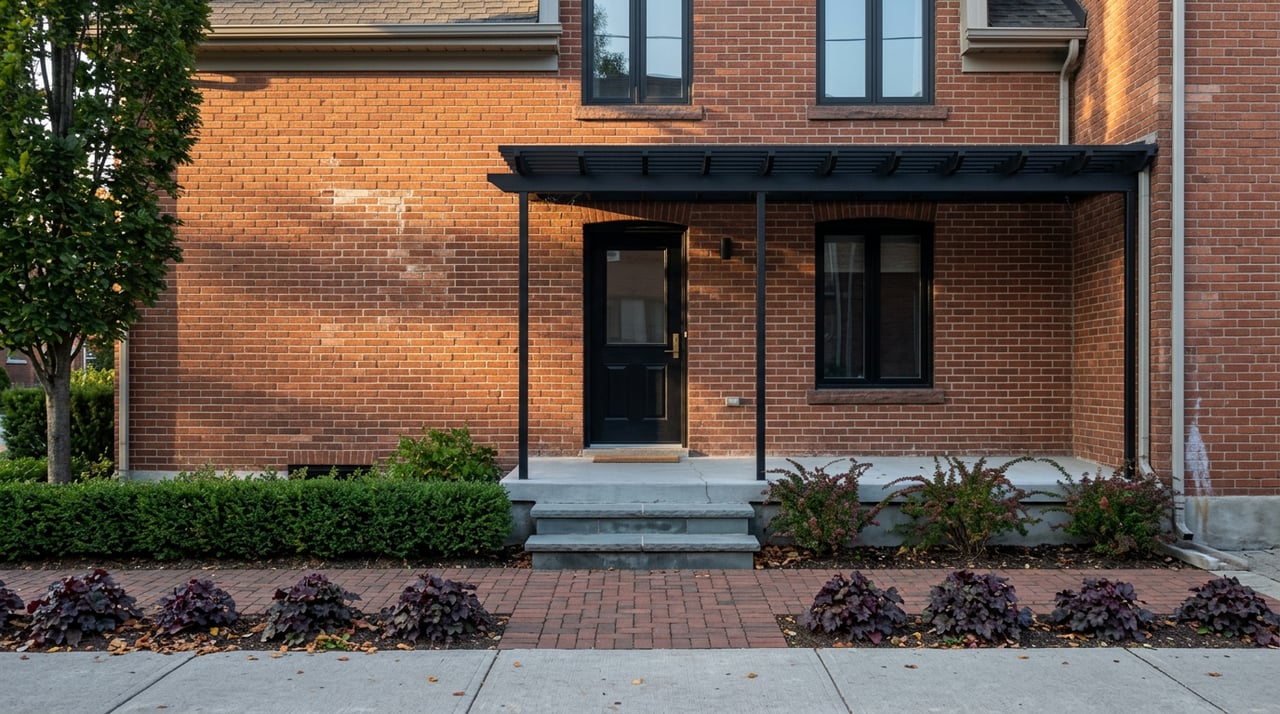
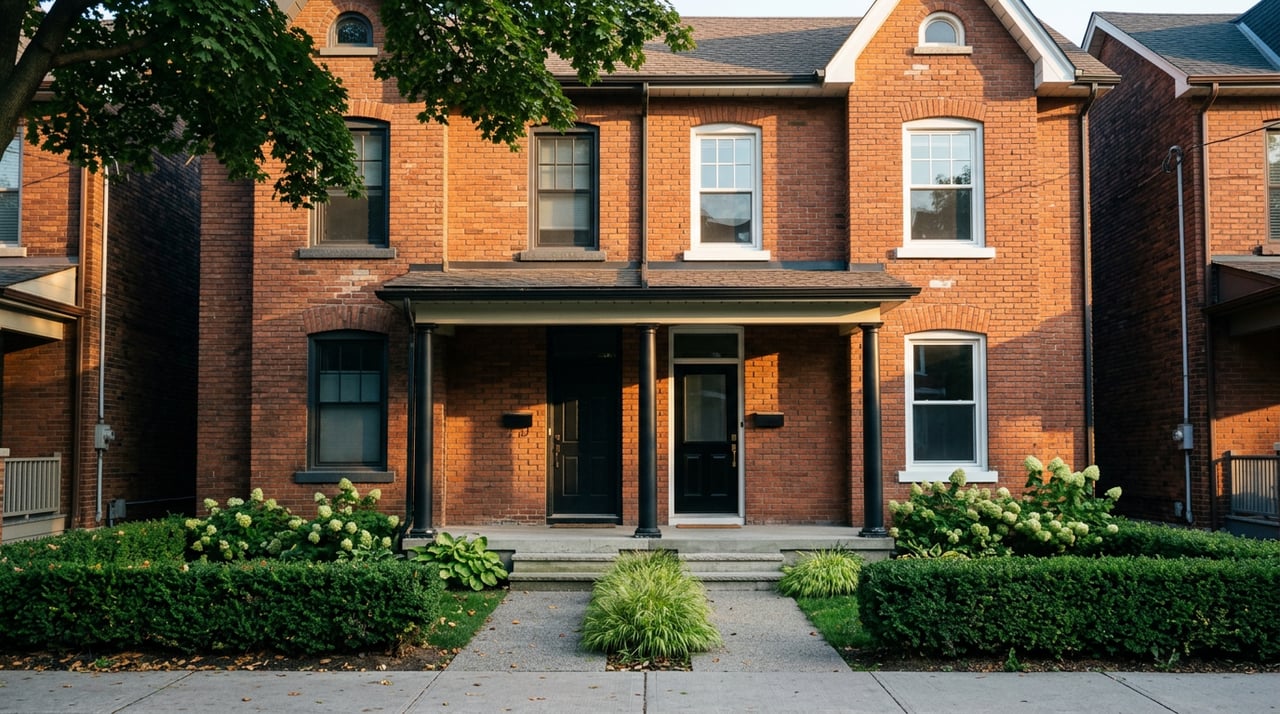
Palmerston-Little Italy's housing stock is not a mixed bag of eras and building types the way some Toronto neighborhoods are. The homes here are overwhelmingly Victorian and Edwardian, many built as semi-detached pairs or narrow rowhouses sharing a single load-bearing party wall between units. That's a defining feature of the streetscape, not an incidental detail.
Two consequences follow from that fact, and both of them show up at closing tables more often than buyers expect.
First, any structural work on either half of a semi, most commonly underpinning a basement to gain ceiling height, requires a signed party wall agreement between both owners before permits can move forward. That agreement doesn't expire when the work finishes. It sits on title, tied to the wall itself, which means it can resurface years later when either half of the pair goes up for sale.
Second, homes built before 1950 across this pocket of Toronto were wired with knob-and-tube, the copper-and-porcelain system standard from roughly 1880 through the 1940s. It's not dangerous by default, but it creates a different kind of closing risk: an insurance one.
I recently came across a live example of the first issue. A public permit filing on Manning Avenue, one of the core streets in this neighborhood, shows exactly this kind of party wall work on record, the sort of administrative detail that sits quietly on a property until a lawyer pulls title before closing. It's a reminder that this isn't a hypothetical risk confined to old case studies. It's the ordinary paperwork of owning a century semi on these streets.
The Permit That Isn't Yours Can Still Be Yours
Here's the part that catches sellers off guard. A party wall agreement doesn't just cover the cost of repairing damage. It creates a documented, ongoing relationship between two properties that a real estate lawyer will always check during due diligence, because the wall is jointly owned even though the houses are separately titled.
If your neighbor underpinned their basement five years ago and the permit was properly closed, that's a non-issue. If the permit is still open, whether because the final city inspection never happened or because paperwork sat unfiled, that gap becomes your problem the moment you try to sell. Buyers' lawyers ask for closed permits as a matter of course. An open one tied to a shared wall can delay a firm closing date while everyone scrambles to sort out who is responsible for finishing the paperwork nobody started.
The fix is not complicated, but it has to happen before you list, not after you get a signed offer. A quick check of the property's permit history, and a conversation with the owner next door about the status of any past structural work on the shared wall, is a five-minute call that can save weeks of delay later.
The Second Friction: What's Behind the Plaster
Knob-and-tube wiring creates a different kind of closing risk, one that runs through the lender rather than through title.
Financed purchases require bound home insurance before closing. Insurers, in turn, have become increasingly reluctant to write policies on homes with active knob-and-tube still in the walls. As of mid-2026, roughly 40 percent of Ontario insurers won't write a new policy at all on a home with active K&T, and another 30 percent will write one, but only with a premium surcharge attached.
| Insurer response | What it means at closing |
|---|---|
| Will not insure active K&T | Buyer cannot secure a policy, financing cannot close, without remediation or disclosure upfront |
| Will insure with a surcharge | Coverage is possible but at a meaningfully higher annual premium, often 15 to 30 percent above standard |
| Will insure with an ESA certificate | Full rewiring, permitted and inspected by the Electrical Safety Authority, satisfies almost any insurer |
A full rewiring project as of 2026 runs somewhere between $8,000 and $15,000 for a typical two-storey house, with larger or more complex homes reaching $20,000 to $30,000. Plaster walls, standard in pre-1930 construction, make fishing new wire materially harder than drywall, adding an estimated 15 to 25 percent to labor costs, and hardwood floors sitting over plaster ceilings mean accessing second-floor circuits often requires more openings from below.
The financial consequence of skipping this step shows up in resale. As of 2026, homes without a completed rewiring and ESA certificate tend to sell at a discount of roughly 5 to 12 percent compared to similar homes that have been fully rewired, and they tend to sit on the market longer while buyers' financing falls through over insurance requirements.
What This Actually Costs You If You Skip It
Put the two frictions side by side and a pattern emerges. Neither one is really about the condition of your own house. Both are about whether your house is structurally and administratively ready to change hands cleanly, given what it's attached to and what's behind its walls.
A seller who assumes a strong offer means a fast closing is treating this neighborhood like a market of standalone houses. It isn't. It's a market of paired and row houses where two properties share a wall, and sometimes share a paper trail. Pricing strategy here has to account for that, not just square footage and finishes.
A Pre-Listing Checklist for Century Semis
- Pull the permit history for your own property and ask your neighbor, informally, whether any past work on the shared wall was fully closed out with the city.
- Book a licensed electrician for a knob-and-tube assessment before you list, not after an inspection contingency forces the issue mid-negotiation.
- If K&T is present, get quotes for full rewiring and decide whether to complete it before listing or price the home to reflect the buyer's future cost.
- Ask your insurance broker directly whether your current policy would transfer as-is to a buyer, or whether a new buyer would face different underwriting.
- Keep copies of any ESA certificates, permit closures, or party wall agreements in one file so your lawyer can hand them over the moment an offer comes in.
A Few Quick Questions
Does every semi-detached house in Palmerston-Little Italy have an active party wall agreement? No. Many have never needed one because no structural work has touched the shared wall. The risk only becomes real when one side of a pair undertakes underpinning, a foundation repair, or another project that affects the party wall directly.
Is knob-and-tube wiring illegal to leave in place? No. Existing knob-and-tube is not illegal simply because it exists, and homeowners are not required to remove it on that basis alone. The pressure to replace it comes from insurance underwriting, not from a legal mandate.
Can a seller be held responsible for a neighbor's unfinished permit? Not in the sense of paying for the neighbor's work, but an open permit tied to a shared wall can still slow down a sale, since a buyer's lawyer will flag it during title review and may ask for resolution before closing proceeds.
If you're weighing a sale in Palmerston-Little Italy and want a clear read on how your specific property's history, wiring, and shared walls affect your timeline, Catherine Mortimer can walk through what a pre-listing check actually looks like for a home like yours. Request a personalized market plan and go into your sale knowing exactly what's behind the plaster.