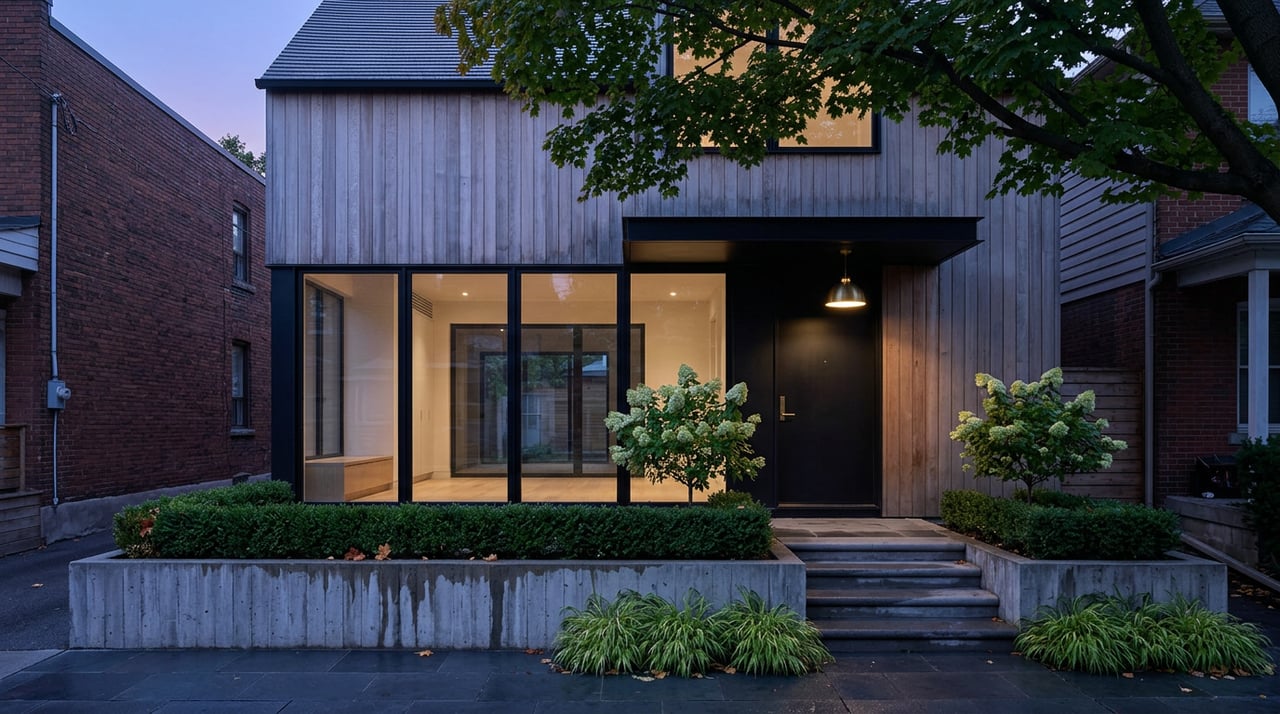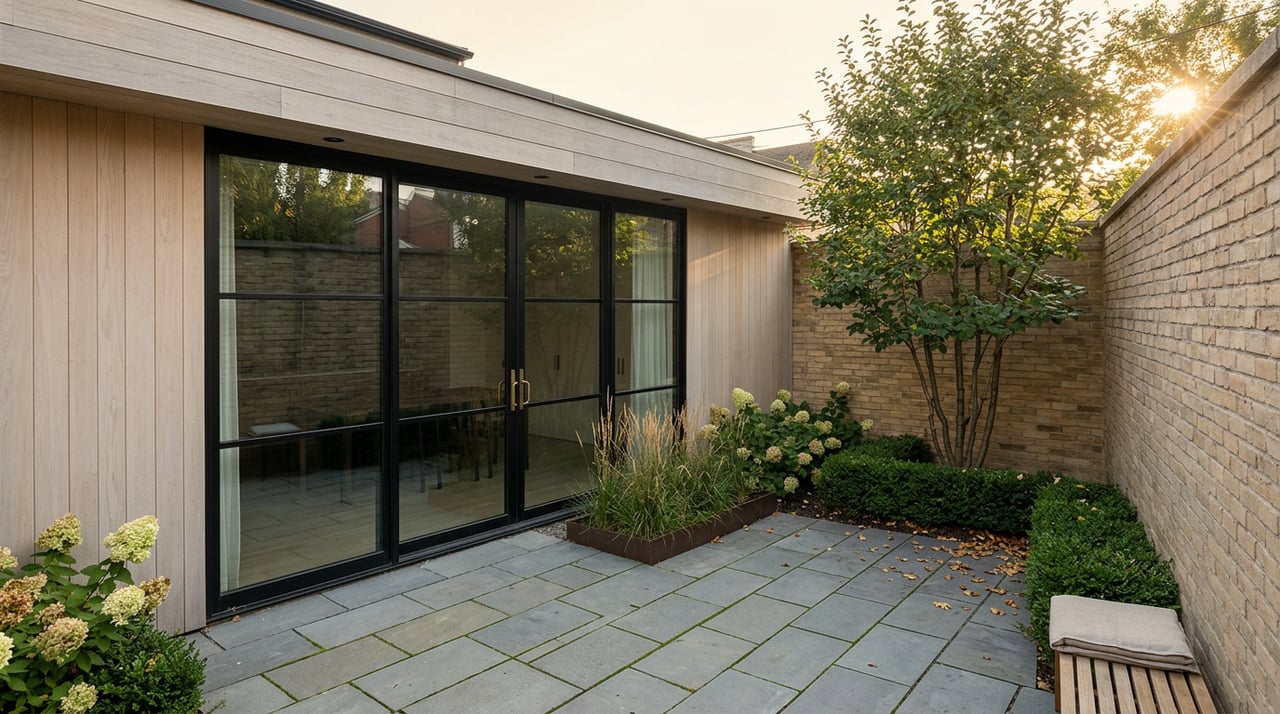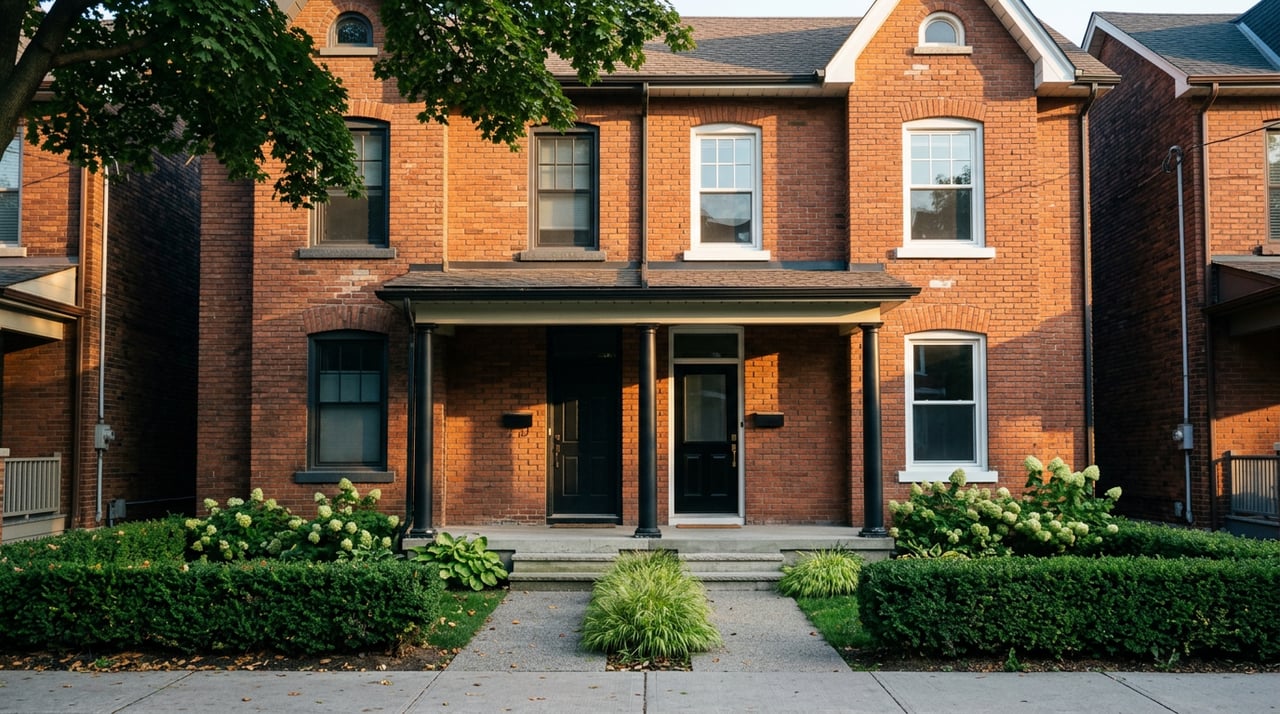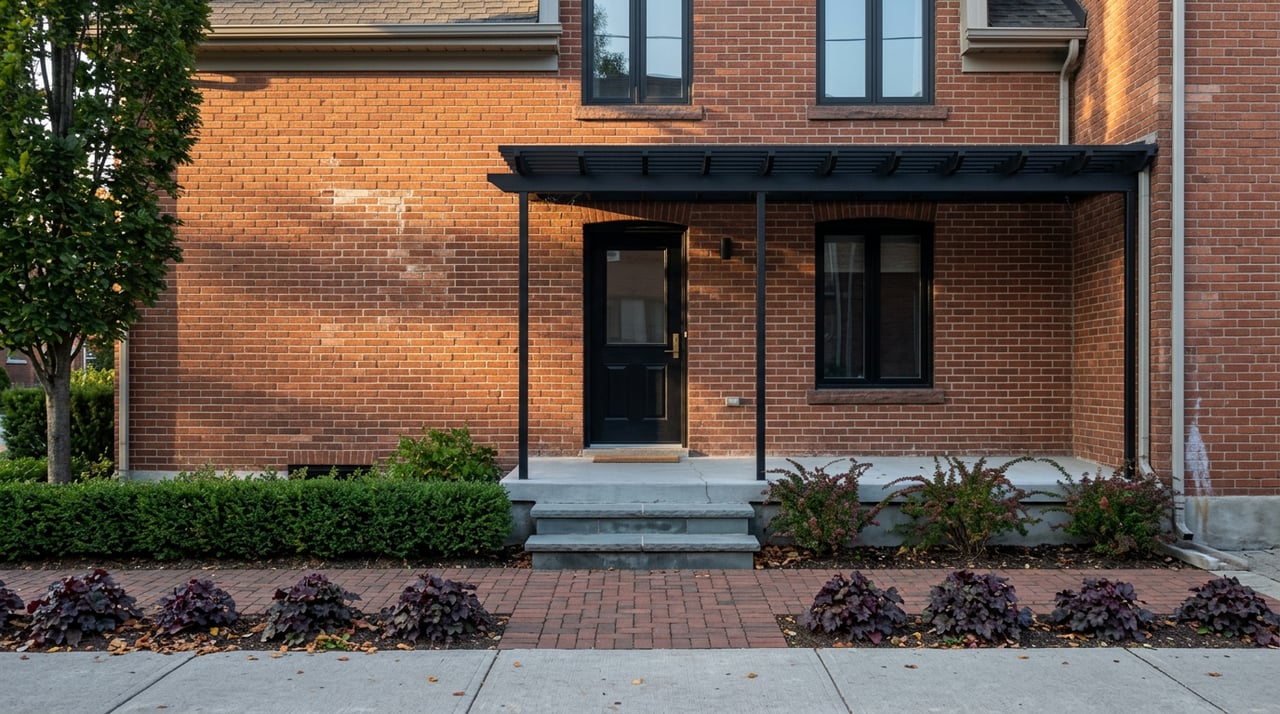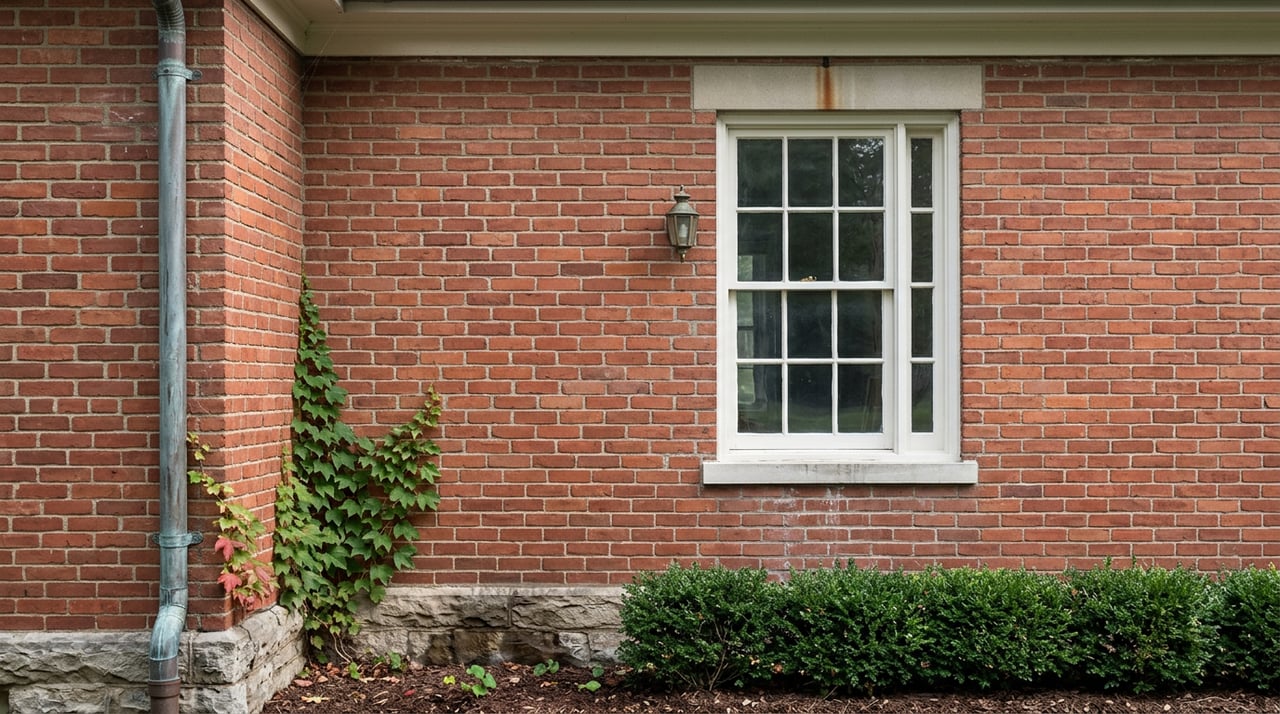
In June 2024, a homeowner in North Rosedale picked up a paintbrush and got about halfway across one wall before the city told them to stop. The house belonged to Olympic figure skater Tessa Virtue and Toronto Maple Leaf Morgan Rielly, a 1912 Edwardian Georgian-Revival on a street inside the North Rosedale Heritage Conservation District. Their team had filed a building permit the year before. What the permit didn't clearly flag was that the plan included covering the entire red-brick facade in white limewash to even out old patchwork and repairs. A site visit caught the work mid-progress, left a splotchy white patch on one side of the house, and led to a stop-work order that eventually went all the way to a City Council vote.
The ruling itself isn't the surprising part. Heritage Conservation Districts exist to protect exactly this kind of thing, the red brick that defines a North Rosedale street. What's instructive is how the mistake happened in the first place. Staff later conceded in their own report that they "were not aware of this note when they cleared the Building Permit." Toronto's heritage rules, on paper, are narrow. They govern the street-facing exterior of a property, not the whole house, and a large share of what happens inside a Rosedale renovation never touches Heritage Planning at all. The gap sits between two systems that are supposed to run together and sometimes don't. That gap, not the general idea that "heritage rules are strict," is the thing worth understanding before you buy, sell, or renovate a heritage-designated home in Rosedale.
What the Rules Actually Touch
North Rosedale and South Rosedale are each their own Heritage Conservation District under Part V of the Ontario Heritage Act, administered separately, each with its own residents' advisory structure that fields questions from owners before they apply for anything. Despite the separate administration, what gets regulated is consistent across both districts: a heritage permit is required for work that alters the street-facing facade, covering things like windows, doors, railings, and decorative trim, in addition to whatever building permit the same project needs. Interior renovation, in nearly every case, sits entirely outside heritage review unless a specific interior feature was named in the property's original designation bylaw. That's why so many Rosedale houses keep a faithful Victorian or Edwardian front while the back of the house and the interior get rebuilt into something fully modern. The rule protects what the street sees, not what the household experiences day to day.
Two Permits, One Timeline, No Guaranteed Handoff
Here's the part that catches people. A heritage permit and a building permit are meant to move through the city together, reviewed as part of the same submission when a project needs both. In practice, two different reviewers are looking at the same drawings for two different things: one for structural and code compliance, one for whether the proposed work respects the district's HCD Plan. When a project's scope changes after drawings are filed, or when a material detail gets buried in a note instead of stated plainly, there's no automatic second look built into the process. That's essentially what happened in North Rosedale. The intent to paint the full facade was in the file, but not flagged clearly enough for the heritage review to catch it before the building permit cleared. The mismatch only surfaced once staff visited the site.
For a buyer, this means a completed building permit in a property's history is not proof that everything visible from the street was cleared by Heritage Planning. For a seller planning cosmetic work before listing, it means a contractor pulling a standard building permit has not automatically cleared your paint color, window swap, or railing replacement with the heritage side of the city. Treating the two approvals as one step instead of two is the most common way a Rosedale project ends up flagged after work has already started.
| Date | What happened |
|---|---|
| September 2023 | Building permit filed for exterior work at the North Rosedale property |
| Mid-project | Contractor begins applying white limewash across the full brick facade |
| Site visit | Heritage Planning staff catch the work underway, issue a stop-work order, leaving a partial white patch on one wall |
| June 11, 2024 | Toronto and East York Community Council meets and fails to reach a decision |
| Late June 2024 | City Council votes to refuse the alteration, citing conflict with the North Rosedale HCD Plan |
| Ongoing | Homeowners retain the option to appeal to the Ontario Land Tribunal |
The Rating That Matters More Than the Street Name
Knowing a property sits inside an HCD boundary is necessary information, but it isn't sufficient. Each HCD Plan sorts individual properties into categories, commonly described as contributing or non-contributing, or graded A through C, and that classification does more to determine what the city will allow than the district boundary itself. A contributing or highly rated property faces tighter limits on demolition and major replacement. A non-contributing or unrated property inside the same district can sometimes see more flexibility, including replacement construction, provided it still respects the district's broader guidelines. Before writing an offer on a Rosedale property with renovation plans attached, the specific rating for that address in its HCD Plan is worth confirming directly, not assumed from the district name alone.
When the Ravine Adds Months, Not Days
Some Rosedale lots carry a second layer of review entirely separate from heritage rules. Properties near the Rosedale Valley Ravine or the Vale of Avoca often require sign-off from the Toronto and Region Conservation Authority on top of standard city permits, since TRCA review covers drainage, slope stability, setback from the top of the bank, and tree impact. That review can add two to four months to the front end of a project, arriving before design work is even fully underway. For anyone eyeing a ravine-adjacent lot with renovation plans, that timeline belongs in the offer conditions and the budget from day one, not as a surprise discovered after closing.
What Insurance Actually Reacts To
This is where heritage status carries an undeserved reputation. Ontario's Ministry responsible for the Heritage Act and the Insurance Bureau of Canada have both stated that insurance premiums should not increase because of municipal heritage designation itself. What insurers do react to is age and condition, and Rosedale's housing stock leans heavily toward solid brick and brick-and-stone construction well over a century old, the kind of building where original electrical systems are still common enough to matter. Active knob-and-tube wiring, not the heritage plaque, is what gets flagged during a pre-purchase inspection and what prompts an insurer to ask questions before binding a policy. Buying a heritage-designated Rosedale home doesn't automatically mean paying more to insure it. Buying a hundred-year-old home that hasn't been rewired might, heritage district or not.
Before You Write the Offer or Book the Painters
Three things are worth confirming before money changes hands or a contractor shows up:
- Whether the specific address carries a contributing, A, B, or C rating within its HCD Plan, not just whether it sits inside the district boundary
- Whether any planned exterior change, including something as ordinary as a paint color or window swap, has a separate heritage permit on file alongside the building permit
- Whether the lot sits close enough to the Rosedale Valley Ravine or Vale of Avoca to trigger a TRCA review, and whether that review is already underway or still ahead
None of these questions require a lawyer. They require someone who knows which office to call and which piece of paper actually matters.
A Few Questions Worth Asking Directly
Does heritage designation lower what a Rosedale home is worth? Heritage status protects the character that makes the district desirable in the first place, and the Ministry and Insurance Bureau of Canada are explicit that the designation alone shouldn't move insurance costs. Any effect on value tends to run the other way, tied to the same period details and streetscape that draw buyers to Rosedale.
Can a refused heritage permit be appealed? Yes. A refusal at the City Council level can be appealed to the Ontario Land Tribunal, the path the Virtue and Rielly case has left open.
Does interior work ever need heritage approval? Rarely, and only when a specific interior feature was named in the property's original designation bylaw. For most Rosedale homes, interior renovation happens entirely outside the heritage permit process.
The Sequence Is the Whole Game
The lesson from a stalled paint job in North Rosedale isn't that Rosedale is hard to renovate. It's that the paperwork trail matters as much as the design plan, and the two systems that govern it don't automatically check each other before work begins. Whether you're buying a heritage-designated Rosedale property with renovation plans, preparing to sell one and want the facade work cleared before it hits the market, or simply confirming what a rating means for a house you already own, Catherine Mortimer works through these specifics on every Rosedale transaction alongside the Chestnut Park and Eileen Lasswell team. Request a personalized market plan and get the sequence right before the first brush touches brick.