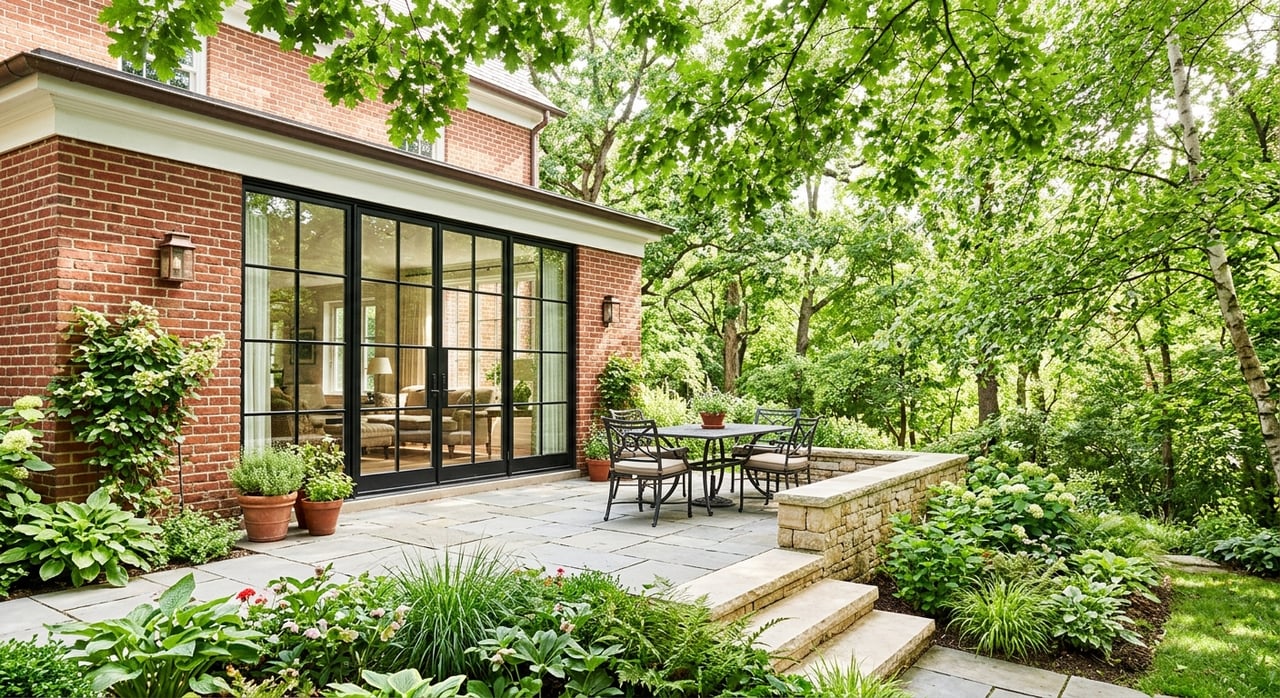
If you want a Toronto neighbourhood that feels quiet, green, and established without losing touch with downtown, Rosedale–Moore Park is hard to ignore. For many buyers, this area checks a rare mix of boxes: beautiful homes, ravine access, daily conveniences, and a commute that can still feel surprisingly manageable. In this guide, you’ll get a clear look at what defines the neighbourhood, how it lives day to day, and what to keep in mind if you hope to buy or sell here. Let’s dive in.
What defines Rosedale–Moore Park
Rosedale–Moore Park is one of Toronto’s most historically rooted residential areas, and that history still shapes how the neighbourhood looks and feels today. The City of Toronto identifies Rosedale-Moore Park as neighbourhood 98, with South Rosedale recognized as an early picturesque suburb and North Rosedale described as a secluded residential area framed by ravines.
Moore Park has its own distinct story. Its origins trace back to a 1793 survey lot and an 1884 subdivision, and the City notes that developer John Thomas Moore envisioned an elegant, park-like suburb. The area was annexed in 1913, Mount Pleasant Road was extended south between 1919 and 1924, and much of the neighbourhood was built out by the 1930s.
That long history matters because it helps explain why the area feels so cohesive. You are not just looking at a collection of expensive homes. You are looking at a neighbourhood shaped over decades by landscape, planning, and a strong sense of architectural continuity.
Streetscapes and architecture
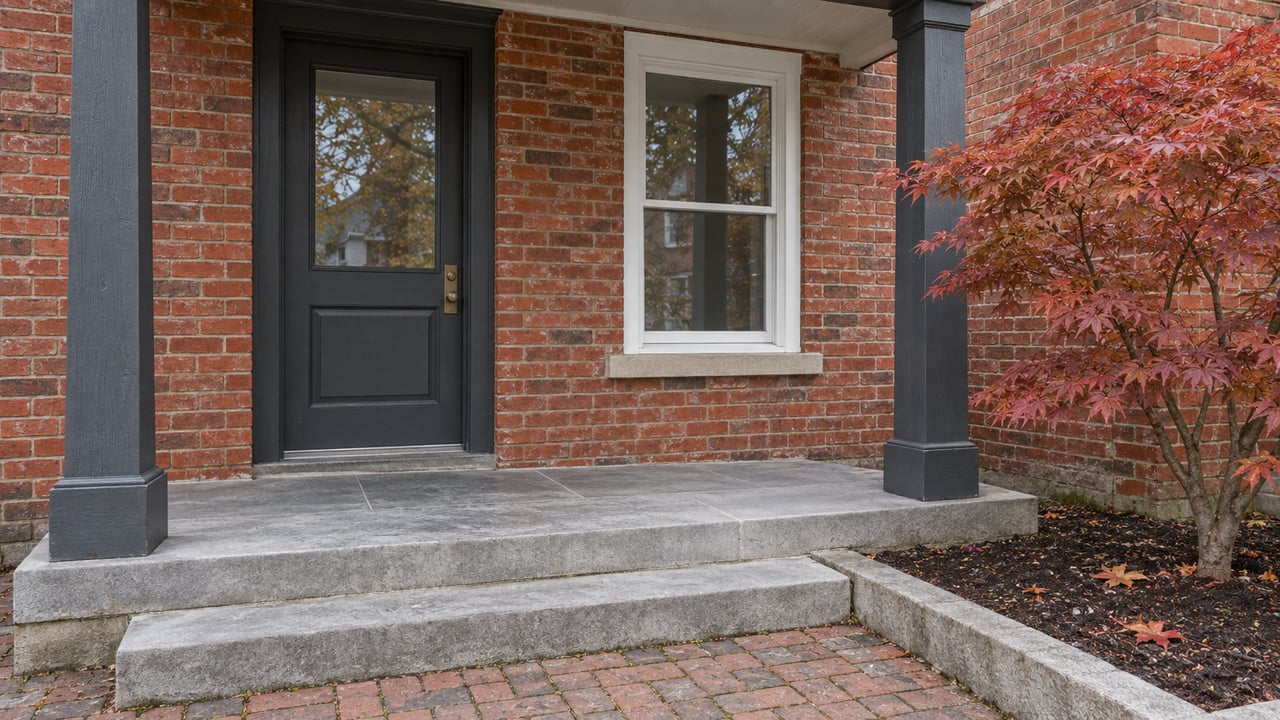
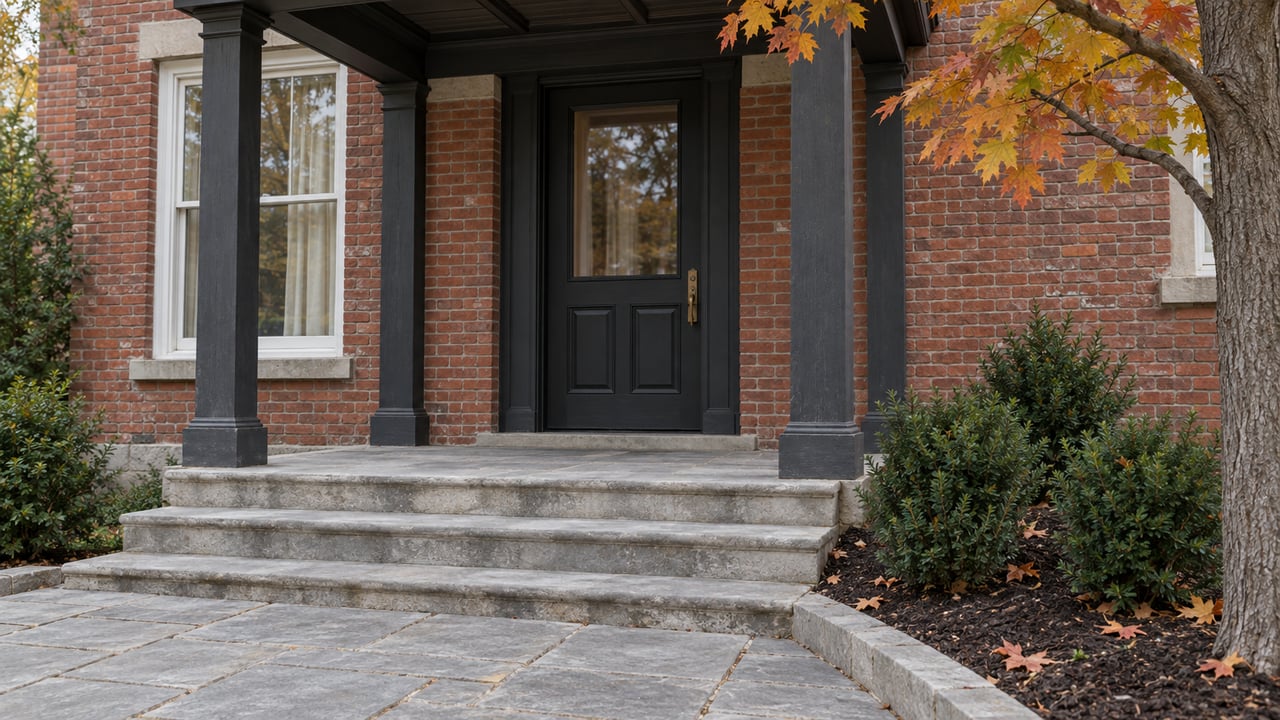
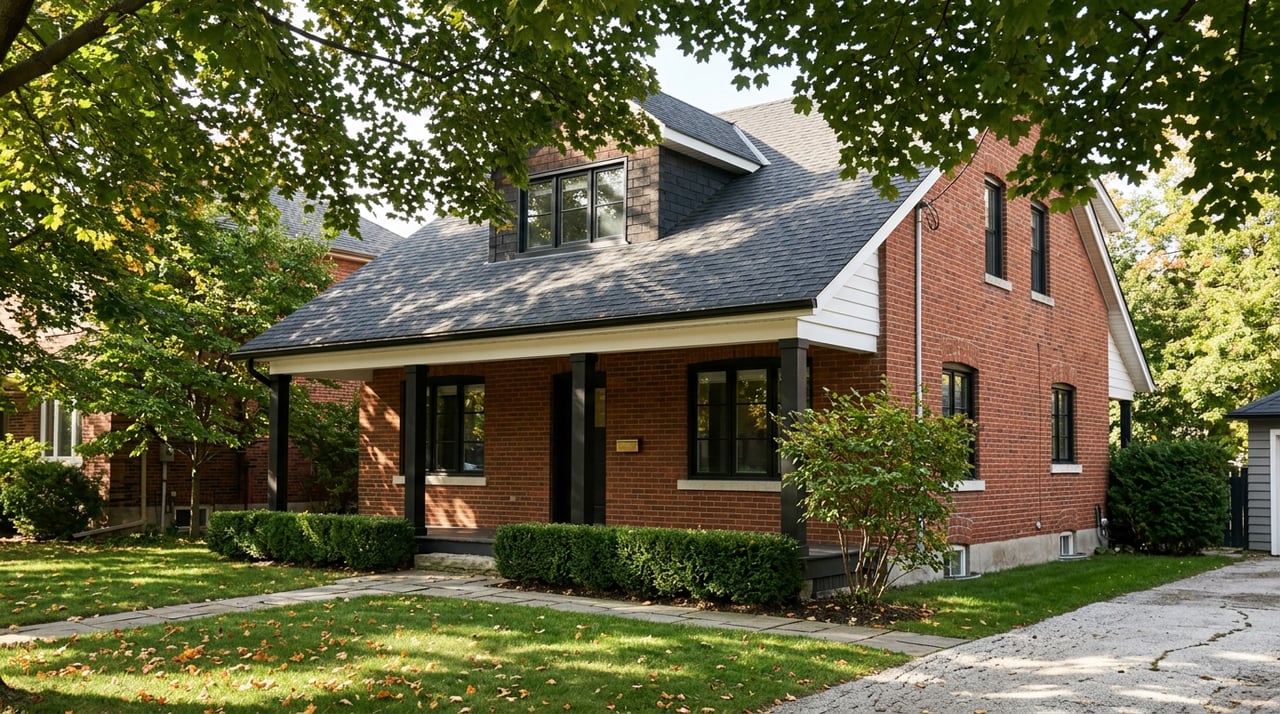
One of the first things you notice in Rosedale–Moore Park is the setting itself. South Rosedale is known for curving, serpentine streets, mature tree canopy, and park-like lots. North Rosedale carries a similar leafy feel, with tree-lined streets and many homes dating from the 1920s and 1930s.
Moore Park adds another layer of character. The area includes Dutch Colonial Revival, English Cottage, Georgian, and Tudor homes, often on lots that back onto ravines. That variety gives the neighbourhood visual interest, but the overall look still feels consistent and calm.
For buyers, this means housing stock tends to feel established rather than trend-driven. For sellers, it means presentation matters, but context matters too. A home here is often being evaluated not only on finishes and floor plan, but also on how it fits within a highly recognizable streetscape.
Why heritage planning matters here
In Rosedale–Moore Park, heritage is not just a talking point. It is part of how the neighbourhood is managed. The City of Toronto uses Heritage Conservation Districts to conserve historically and culturally significant areas, and properties within a district are subject to the district by-law.
That has practical implications if you are planning to buy, renovate, or sell. According to the City’s heritage permit guidance, exterior changes within a district can require heritage review or a permit. In other words, updates may be possible, but they are often discussed carefully and handled with more attention than in other parts of the city.
This is also one reason the neighbourhood often feels preserved rather than overbuilt. In Moore Park, the City has noted local interest in heritage conservation work, and a number of century homes from the earliest development period remain. That contributes to the area’s reputation as historically sensitive rather than simply new luxury Toronto.
The ravines shape daily life
The ravine system is one of the biggest reasons this neighbourhood feels different from many other central Toronto enclaves. In both Rosedale and Moore Park, the landscape creates a sense of separation from the city around it while still keeping you close to the core.
The City’s descriptions of North Rosedale highlight ravine boundaries and limited vehicle access points, which help explain the area’s secluded feel. In Moore Park, lots often back onto ravines as part of the original garden-suburb layout. This is not a formal designation of privacy, but the physical geography clearly shapes the experience of living here.
You also see that in the way people move through the area. The Rosedale Valley Road Multi-Use Trail runs from Bayview Avenue to Park Road and links several nearby parks, while the Glen Road pedestrian bridge crosses the Rosedale Valley Ravine and connects Rosedale with North St. James Town. The City’s Ravine Strategy is focused on protecting, enhancing, and improving access to these spaces, which reinforces how central they are to neighbourhood life.
Shops, institutions, and local rhythm
Although Rosedale–Moore Park is known for its residential calm, it is not cut off from daily conveniences. Along Yonge Street between Woodlawn and Crescent, the Rosedale Main Street BIA represents more than 180 businesses, including restaurants, cafes, boutiques, and services.
That stretch also hosts community events such as the Rosedale Art Fair and the Cavalcade of Lights tree lighting event. These kinds of events help balance the area’s quiet, low-density feel with moments of local activity and connection.
Mooredale House is another important local institution. The organization offers preschool, day camps, swimming, sports, concerts, and other community programming, and it has hosted Mayfair since 1946. For many residents, places like this help define the neighbourhood as much as the housing stock does.
Club culture is also part of the area’s long-standing identity. Rosedale Golf Club was founded in 1893 and identifies itself as an official Donald Ross course, while the Toronto Lawn Tennis Club dates to 1876 and operates from Price Street. These institutions are part of the neighbourhood fabric and contribute to its established character.
Schools and practical access
For many buyers, school access is part of the draw. Public options include Rosedale Junior Public School and Whitney Junior Public School. The Toronto District School Board describes Rosedale JPS as serving children in Rosedale and nearby neighbourhoods for more than a century, while Whitney is described as being in the Rosedale/Moore Park area.
There are also nearby independent school options, including Branksome Hall in Rosedale, The Bishop Strachan School, and Upper Canada College. If school planning is part of your move, it is worth reviewing current boundaries, admissions processes, and commute logistics early.
Transit is another strength, especially for a neighbourhood with this kind of residential setting. Rosedale Station is located just east of Yonge at Crescent Road and serves Line 1 southbound via Union, and Summerhill Station also serves Line 1. The City describes Rosedale as being in close proximity to the downtown core, which helps explain why the neighbourhood appeals to buyers who want a quieter home base without giving up urban access.
Who Rosedale–Moore Park tends to suit
From a lifestyle perspective, Rosedale–Moore Park tends to appeal to buyers who want a historic, leafy, low-density environment with strong access to ravines, community programming, school options, and downtown transit. That is not an official city classification, but it is a practical reading of the area’s built form and amenities.
You may be drawn here if you value architectural character and a streetscape that feels settled. You may also appreciate the balance between residential calm and nearby services along Yonge Street. For some buyers, that combination is the whole point.
If you are selling in the neighbourhood, the same factors shape buyer expectations. Presentation, positioning, and neighbourhood storytelling matter because people are often buying into a way of living as much as a floor plan. In a market like this, details count.
What buyers should keep in mind
Buying in Rosedale–Moore Park often requires a bit more preparation than buying in a more uniform neighbourhood. Homes can vary widely by age, lot placement, heritage context, and relationship to ravines.
A few things are especially worth paying attention to:
- Heritage status or location within a Heritage Conservation District
- Potential review requirements for exterior changes
- Lot characteristics, especially if a property backs onto a ravine
- Access points, parking, and street pattern
- Proximity to Yonge Street amenities or subway stations
- The difference in feel between South Rosedale, North Rosedale, and Moore Park
When you understand those factors early, you can compare homes more intelligently and avoid surprises later in the process.
What sellers should remember
If you are selling in Rosedale–Moore Park, buyers are often looking for more than square footage. They are paying attention to setting, architecture, condition, and how the home fits the surrounding streetscape.
That is why thoughtful preparation can make a real difference. Clean presentation, strong photography, and a clear story about the home’s location, landscape, and livability help buyers understand value quickly. In a neighbourhood with this much character, polished marketing is not just helpful. It is expected.
A strategic sale here also benefits from nuanced neighbourhood knowledge. Buyers may be comparing ravine lots to interior lots, heritage homes to updated properties, or quieter pockets to areas closer to Yonge Street. The more clearly those distinctions are communicated, the better positioned your listing tends to be.
If you are considering a move in Rosedale–Moore Park, working with an advisor who understands both the neighbourhood’s history and its market dynamics can help you make more confident decisions. For a tailored plan, reach out to Catherine Mortimer.
FAQs
What is Rosedale–Moore Park known for in Toronto?
- Rosedale–Moore Park is known for its historic housing, mature tree canopy, ravine setting, low-density residential feel, and close proximity to downtown Toronto.
What kinds of homes are common in Moore Park?
- Moore Park includes Dutch Colonial Revival, English Cottage, Georgian, and Tudor homes, with many properties situated on lots that back onto ravines.
Why does Rosedale feel so private despite being central?
- The area’s secluded feel comes largely from its physical geography, including ravine boundaries, tree-lined streets, and in North Rosedale, limited vehicle access points.
Are there transit options in Rosedale–Moore Park?
- Yes. Rosedale Station and Summerhill Station both serve Line 1, giving residents practical subway access to downtown and other parts of the city.
Are there public schools in the Rosedale–Moore Park area?
- Yes. Public-school options include Rosedale Junior Public School and Whitney Junior Public School, along with several nearby independent schools in the broader area.
Do heritage rules affect homes in Rosedale–Moore Park?
- In some parts of the neighbourhood, yes. Properties within a Heritage Conservation District are subject to district by-laws, and some exterior changes may require heritage review or a permit from the City.