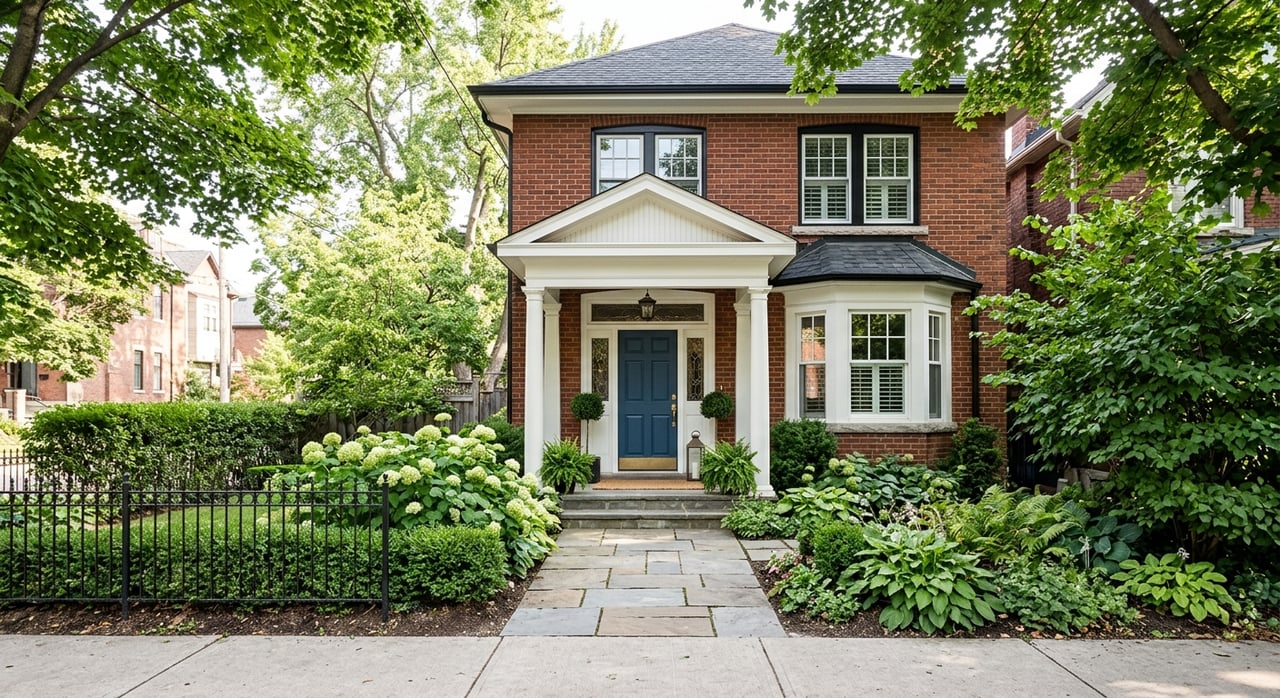
If you want a Toronto neighborhood where dinner plans, espresso stops, and a sense of history all live on the same few blocks, Palmerston–Little Italy deserves a closer look. For buyers and renters alike, this pocket offers more than a lively main street. It pairs a well-known food scene with established residential streets, strong transit access, and everyday convenience. Let’s dive in.
Why Palmerston–Little Italy Stands Out
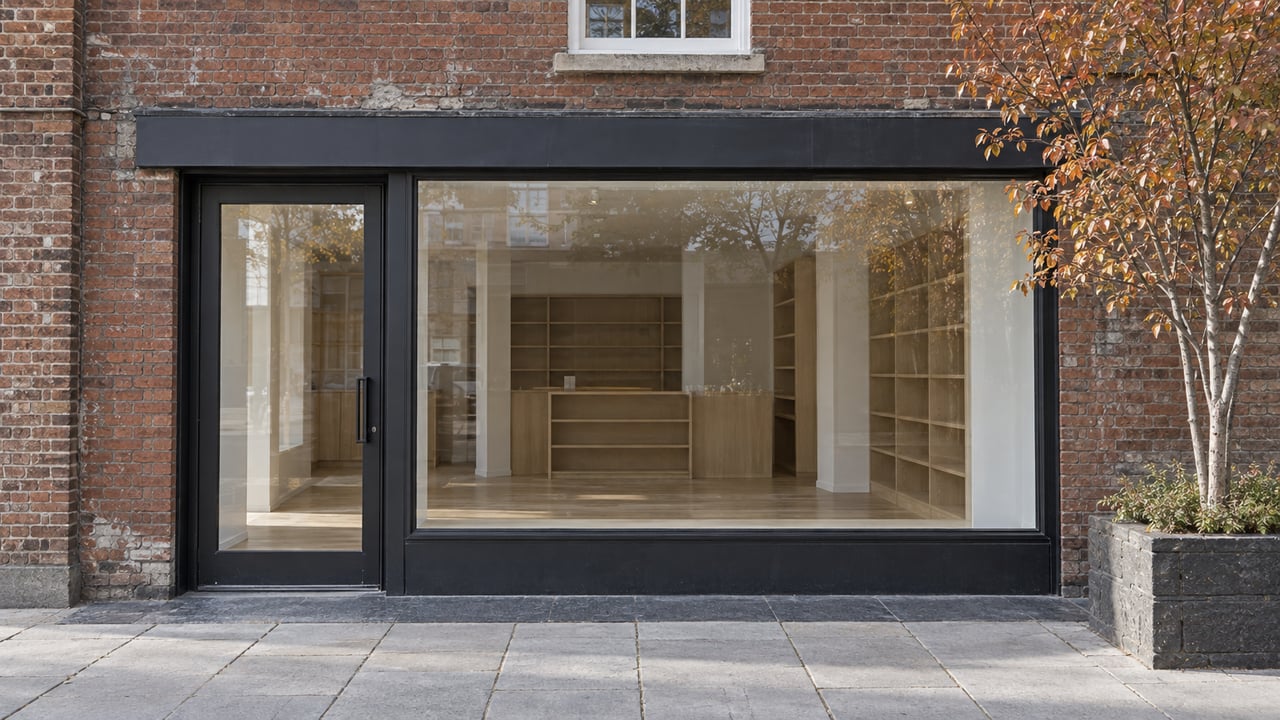
Palmerston–Little Italy is Toronto’s official neighbourhood 80, and its best-known commercial spine is the Little Italy BIA area along College Street from Bathurst Street to Shaw Street. The strip is known for cafes, authentic restaurants, eclectic nightlife, European shops, and distinctive local services. That mix gives the area a destination feel without losing its neighborhood character.
There is also a real sense of continuity here. Heritage Toronto describes College Street as a corridor shaped by Italian immigration and community-building, with later efforts in the 1980s to preserve the Little Italy identity through naming and business organization. For you, that means the neighborhood’s appeal is not built on a trend alone. It is rooted in a long-standing local story.
The City of Toronto’s 2021 Census backgrounder also shows the population declined 4.7% from 2016 to 2021. In practical terms, Palmerston–Little Italy reads as an established inner-city neighborhood with gradual change, rather than a brand-new growth area. That can be especially appealing if you value a place with a defined identity.
College Street Is the Amenity Spine
If you love having options close to home, College Street does a lot of the heavy lifting here. The current Little Italy BIA directory shows a broad mix of food and drink, retail, services, arts and entertainment, and community uses. You are not just getting one busy restaurant row. You are getting a corridor with layers of daily life.
A few names help paint the picture. The directory includes Bar Pompette, Sicilian Sidewalk Café, Perla Restaurant, Café Belem, Little Pebbles, and RC Coffee for food and drink. It also includes spots like Balfour Books, Wonder Pens, Liliput Hats, Pedalinx Bike Shop, Pink Twig, People’s Champ Vintage, Royal Theatre, and Toronto Spiritualist Temple.
That variety matters when you are deciding where to live. A neighborhood feels more useful and more interesting when your local area supports weekday errands, casual meetups, special dinners, and weekend browsing without asking you to cross the city. In Palmerston–Little Italy, that mix is part of the appeal.
Food Culture Feels Built In
Some Toronto neighborhoods have a few strong places to eat. Palmerston–Little Italy feels more like a corridor where food culture is woven into the identity of the street itself. That can make everyday life feel more spontaneous, whether you are grabbing coffee, meeting friends for dinner, or choosing a patio on a warm evening.
Café Diplomatico is one of the area’s best-known landmarks, according to Heritage Toronto, and the BIA also highlights it as a match-day hub during Taste of Little Italy. It is a good example of how certain businesses here function as neighborhood anchors, not just places to spend an evening.
Nightlife Without Losing Character
The BIA describes the strip as known for eclectic nightlife, and that is part of what keeps the area lively after work hours. For some buyers, that energy is a big draw. For others, the key is being close to it without being directly in the busiest stretch.
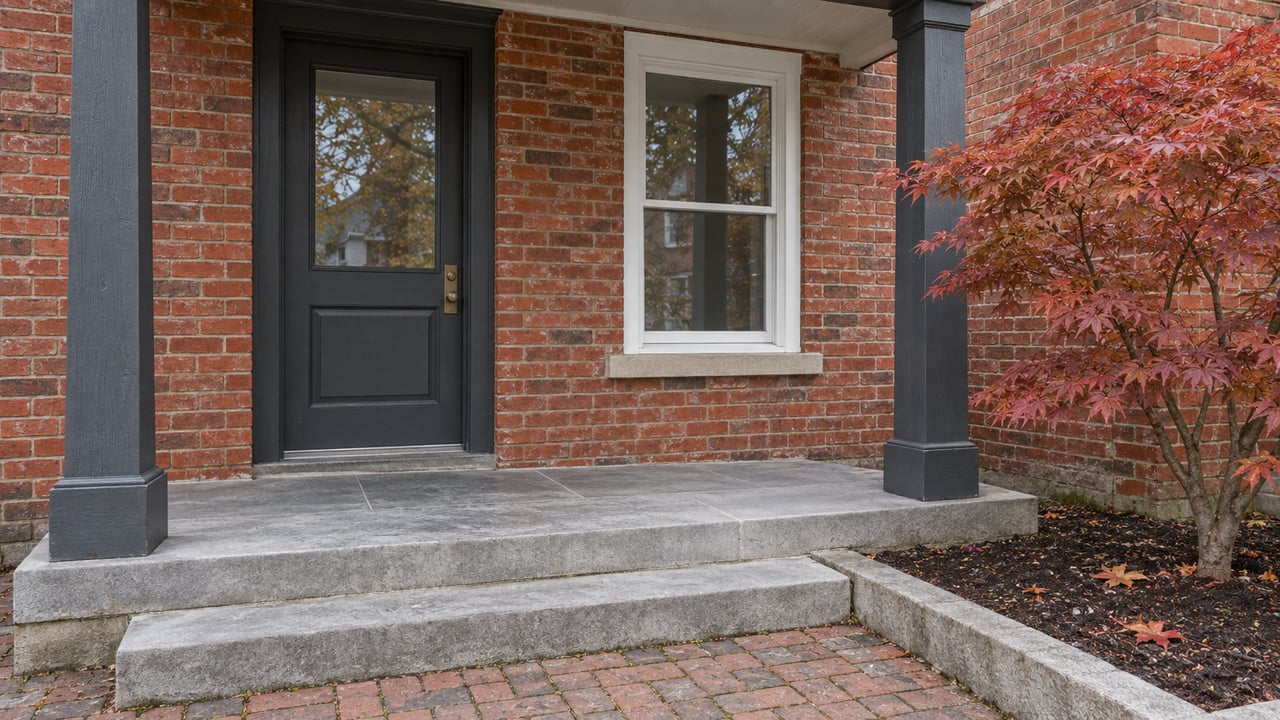
That balance is one of Palmerston–Little Italy’s strengths. You can enjoy an active main street scene on College, then step back onto more residential side streets that feel calmer and more tucked away.
Culture Goes Beyond Restaurants
One of the best things about Palmerston–Little Italy is that its identity is not only about dining out. Cultural institutions and public programming help keep the neighborhood story alive. That gives the area depth that many buyers are looking for when they want more than a convenient address.
A major example is CHIN Radio at 622 College Street. The company says it launched in 1966 as Canada’s first multilingual broadcast company and now reaches more than 100 cultural communities in over 50 languages. Heritage Toronto also treats CHIN as part of the area’s larger story of immigrant settlement and multicultural community-building.
That cultural layer changes how the neighborhood feels. It tells you this is not just a commercial strip built for visitors. It is a place where institutions, community memory, and evolving city life overlap in a very Toronto way.
Festivals Keep the Street Active
The neighborhood’s calendar helps reinforce that identity. Taste of Little Italy takes over College Street between Bathurst and Shaw with live music, patios, multicultural vendors, and carnival rides. College Street Beats adds recurring summer music on Fridays and Sundays.
If you are the kind of person who likes to feel connected to local events, this programming is worth noting. It adds another dimension to daily life and helps explain why the area remains a draw for both longtime residents and newcomers.
What Living Here Feels Like
It is important to separate the experience of College Street from the feel of the surrounding residential pocket. They are connected, but they are not the same. That distinction is often what makes Palmerston–Little Italy so appealing.
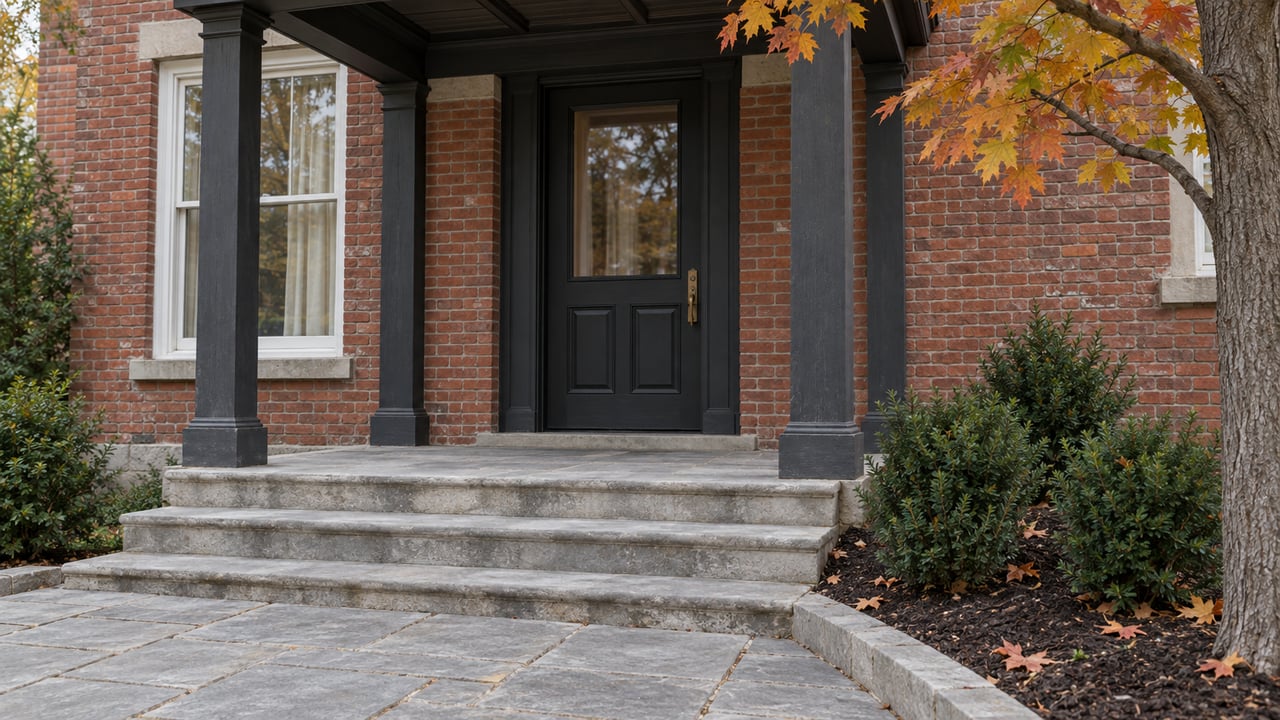
A 2025 City of Toronto report describes Palmerston Avenue and nearby streets as a distinctive and beautiful residential area with a distinctive architectural and design context. The same report also notes that policy changes are accelerating intensification and new housing in the area. In other words, this is a neighborhood with established physical character that is also evolving.
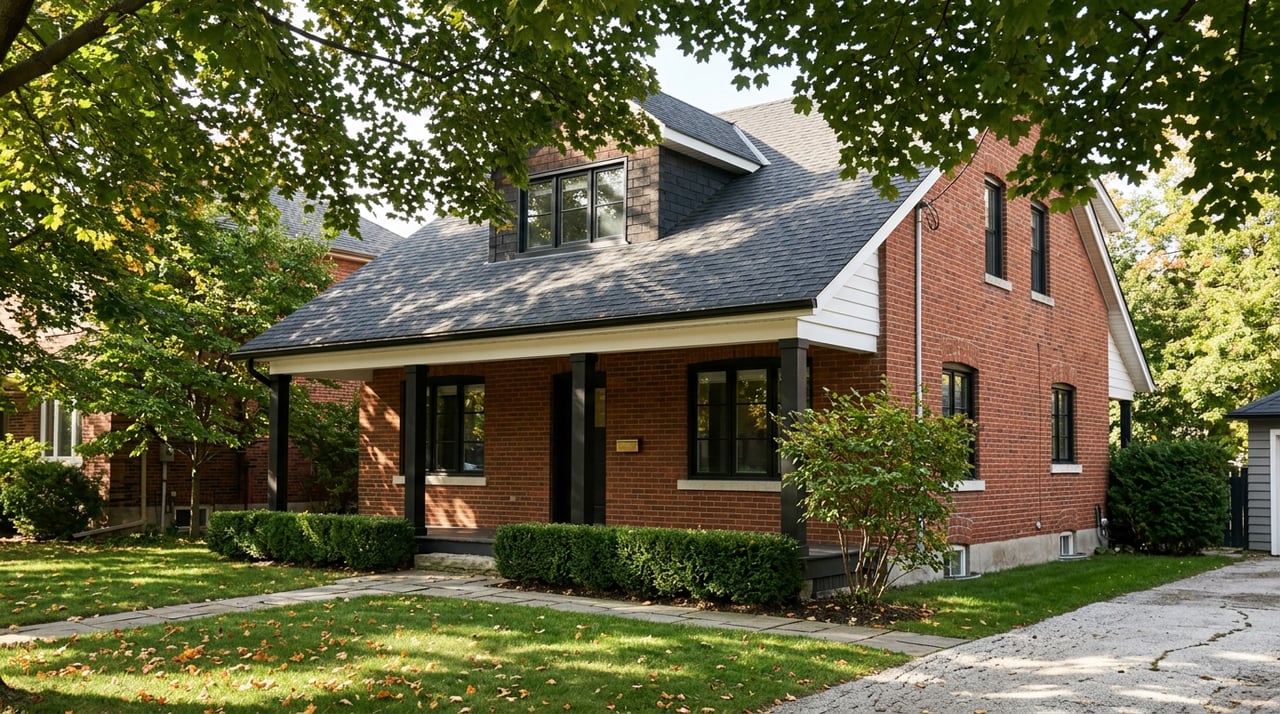
The housing mix helps explain why the area feels the way it does. The City’s 2016 neighborhood profile shows that single-detached homes made up 76% of occupied dwellings, with semi-detached homes at 14%, row houses at 4%, duplexes at 3%, and apartment stock representing only a small share. The same profile recorded 295 condo units versus 6,040 non-condos.
That low-rise pattern gives many side streets a more residential rhythm than buyers might expect from such a central location. At the same time, the profile recorded more renter households than owner households, with 3,710 renter households compared with 2,620 owner households. For you, that points to a neighborhood with a mix of tenure and housing experiences, even within a largely low-rise built form.
A Good Fit for Different Buyers
If you are a buyer who wants walkable amenities, Palmerston–Little Italy can offer that without requiring you to live in a tower district. If you prefer freehold housing or low-rise living, the area’s residential fabric may feel especially attractive.
If you are considering a condo, rental, or investment property, the neighborhood’s central location and access to food, transit, and cultural amenities can also support long-term appeal. The key is understanding the micro-location, because living right on College can feel very different from living a few blocks north or south.
Transit Makes Daily Life Easier
For a central Toronto neighborhood, Palmerston–Little Italy is well connected. Bathurst Station sits on Line 2, which gives you a direct rapid transit connection nearby. The 511 Bathurst streetcar runs between Bathurst Station and Exhibition Loop, and the 506 Carlton streetcar operates along College Street with all-day daily service.
That kind of connectivity matters whether you commute regularly or just want flexibility. It makes it easier to move across the city without relying on a car for every trip. In a neighborhood where many people value convenience, transit is part of the everyday livability story.
Parks Add Breathing Room
A strong main street matters, but so does access to open space. Palmerston–Little Italy benefits from being close to several well-used Toronto parks. That helps balance out the energy of College Street.
The City describes Trinity Bellwoods as one of Toronto’s most well-used and recognizable parks. Christie Pits and Dufferin Grove are also nearby active park sites with current improvement projects. For buyers thinking about quality of life, that means you can pair urban convenience with easy access to outdoor space.
This balance is one reason the neighborhood has broad appeal. You can enjoy a busy café strip, then spend time in a major park or on quieter residential streets nearby. That contrast often defines what people love most about central Toronto living.
Why This Area Appeals to Food and Culture Lovers
For some buyers, a neighborhood search starts with square footage or housing type. For others, it starts with lifestyle. Palmerston–Little Italy tends to stand out for the second group.
You are getting a neighborhood where restaurants and cafes are part of daily life, where independent shops add personality, and where institutions like CHIN Radio connect the area to a bigger cultural story. You are also getting an established residential setting that feels more grounded than many high-growth pockets of the city.
That combination is hard to replicate. It is especially attractive if you want central Toronto access, a recognizable neighborhood identity, and a living experience that feels both active and rooted.
If you are thinking about buying, selling, or renting in Palmerston–Little Italy, working with someone who understands the street-by-street differences can make a real difference. For tailored guidance on homes, rentals, and neighborhood strategy in central Toronto, connect with Catherine Mortimer.
FAQs
What is Palmerston–Little Italy known for in Toronto?
- Palmerston–Little Italy is known for its College Street corridor, which the Little Italy BIA describes as a destination for cafes, authentic restaurants, eclectic nightlife, European shops, and distinctive services.
Where is the Little Italy strip in Palmerston–Little Italy?
- The Little Italy BIA covers College Street from Bathurst Street to Shaw Street, which forms the neighborhood’s best-known commercial spine.
What kinds of homes are common in Palmerston–Little Italy?
- According to the City of Toronto’s 2016 neighborhood profile, the area is largely low-rise, with single-detached homes making up 76% of occupied dwellings and semi-detached homes making up 14%.
Is Palmerston–Little Italy a good fit if you want walkable amenities?
- Yes. The neighborhood offers a dense mix of restaurants, cafes, shops, services, and cultural destinations along College Street, with residential streets close by.
What transit serves Palmerston–Little Italy in Toronto?
- The area is served by nearby Bathurst Station on Line 2, the 511 Bathurst streetcar, and the 506 Carlton streetcar along College Street.
Are there parks near Palmerston–Little Italy?
- Yes. Nearby parks include Trinity Bellwoods, Christie Pits, and Dufferin Grove, which add open space access to the neighborhood’s urban setting.