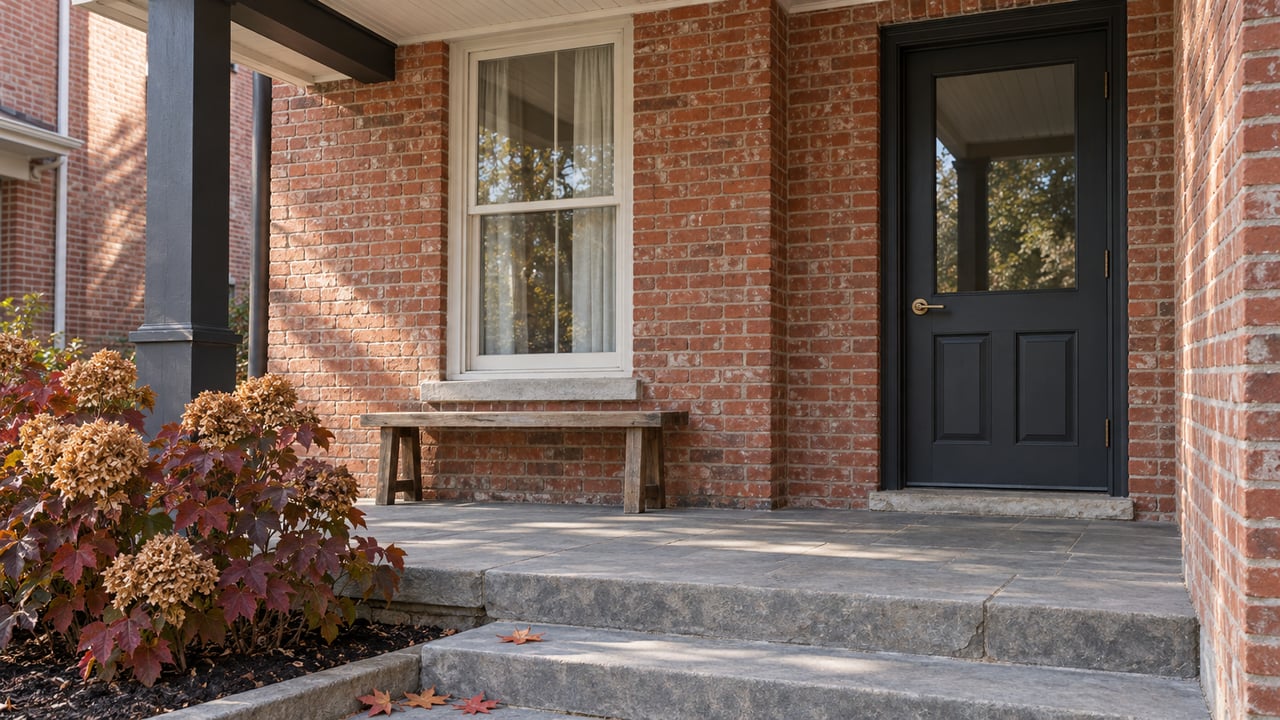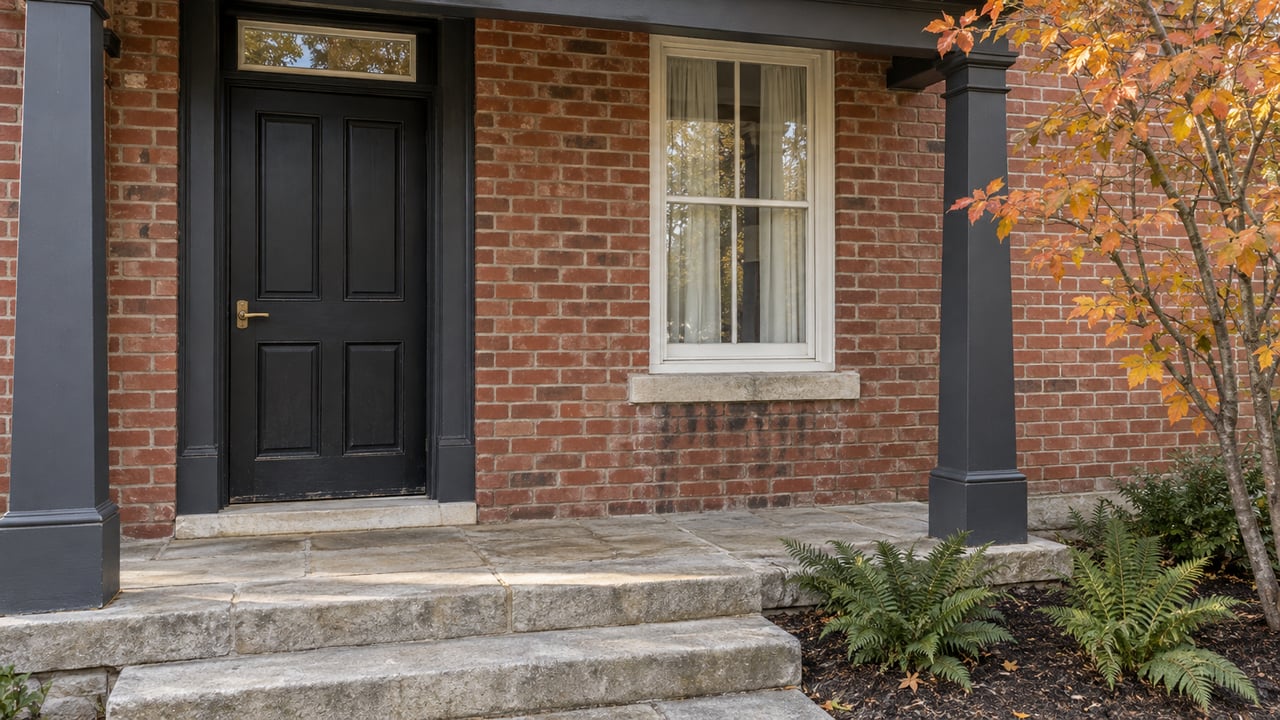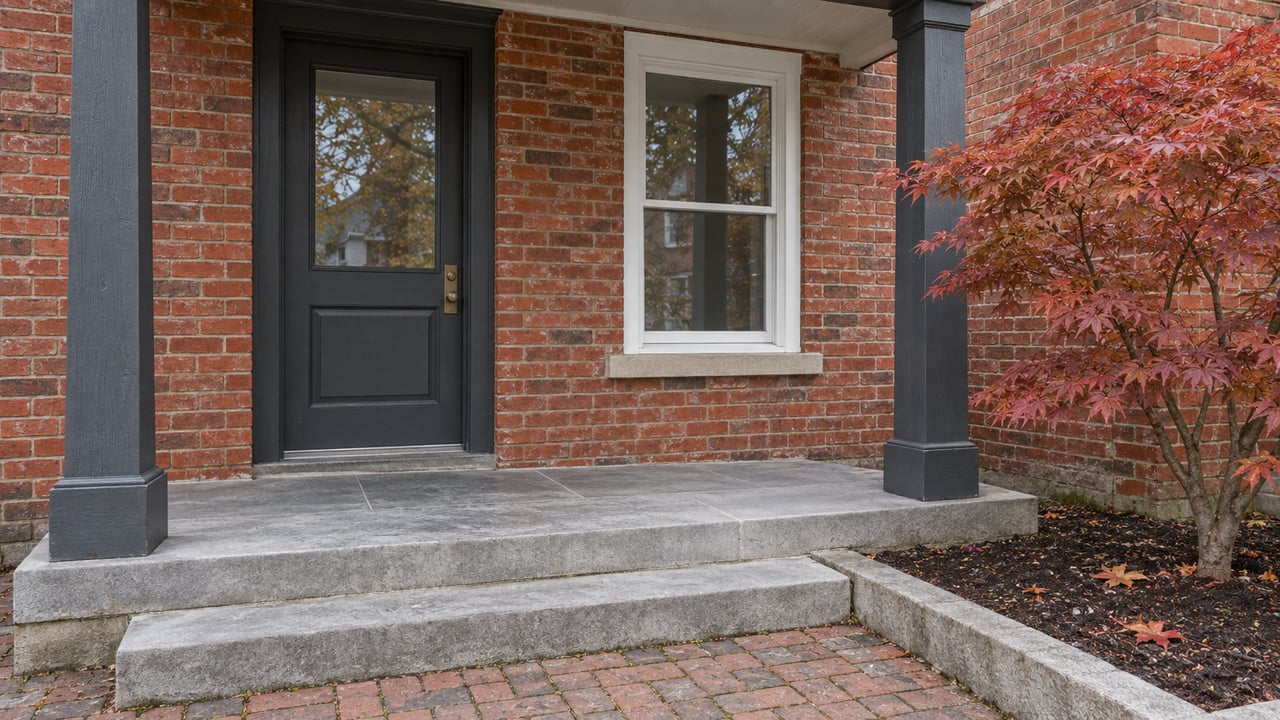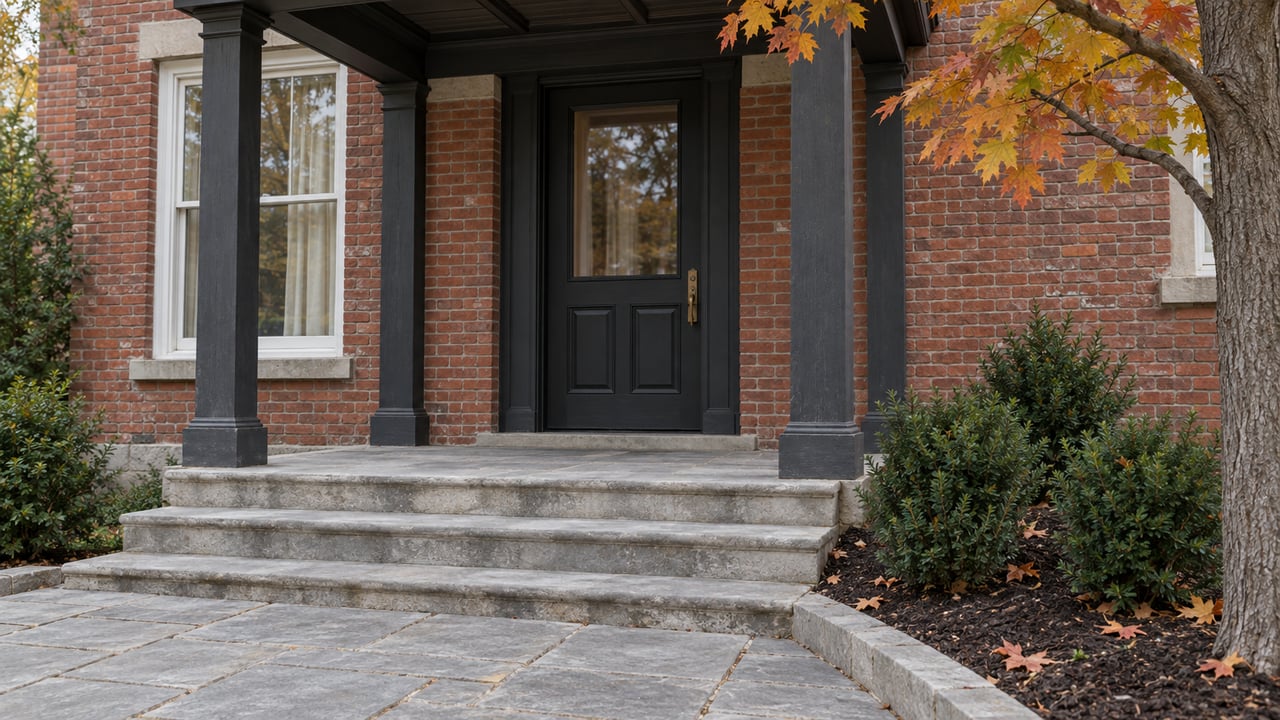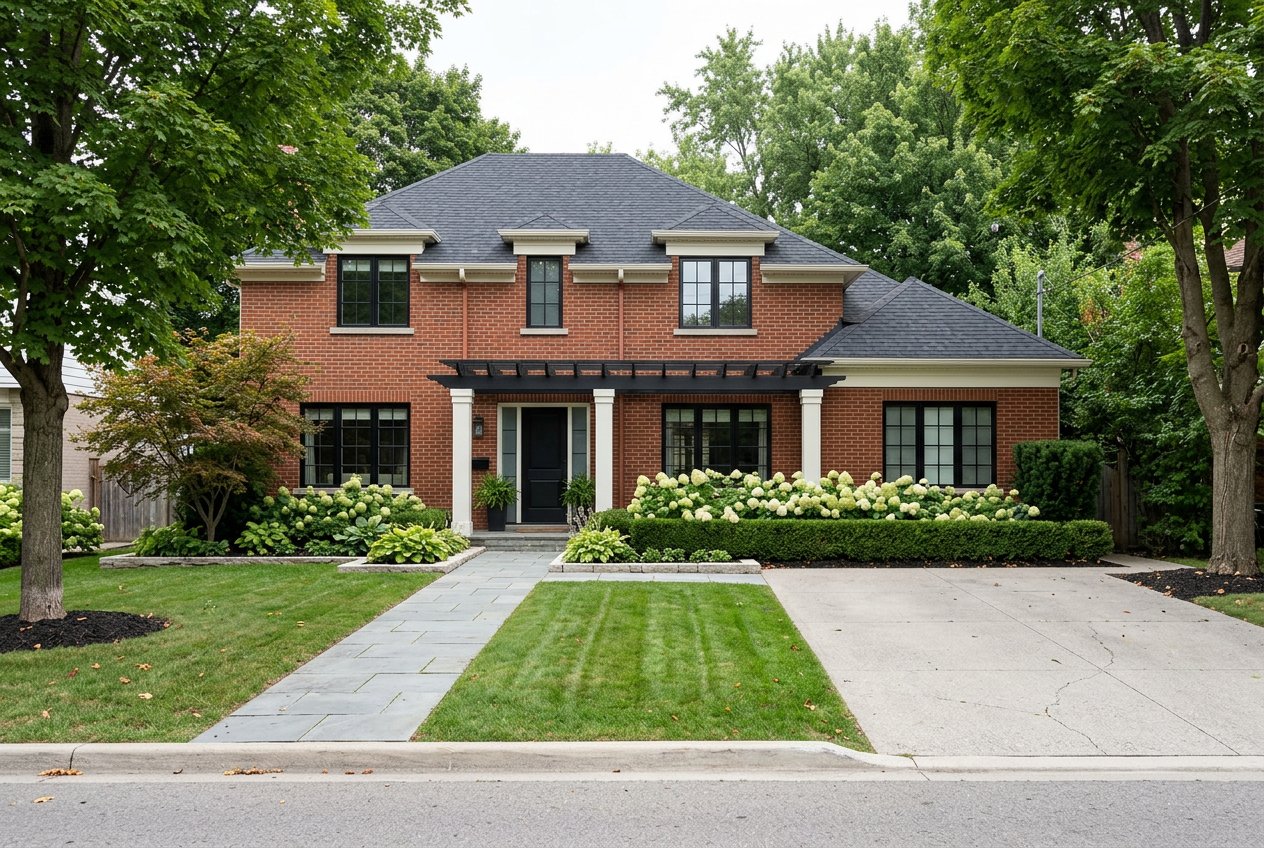
If you want your Rosedale–Moore Park home to command a premium, you need more than a sign and a splashy listing. In today’s thin luxury market, value is earned through precision: the right pricing, a privacy-first launch, and flawless presentation. You likely care about discretion, timing, and a smooth close. This guide shows you how to protect your price while minimizing friction, so you can sell with confidence. Let’s dive in.
What today’s Rosedale luxury market rewards
Toronto’s broader market shifted from a tight seller’s market toward more balanced conditions in 2024 and 2025, with activity and prices easing from the 2021–2022 peak and sales recovering unevenly in 2025. You can see that trend in the latest regional update from the Toronto board, which notes strengthening sales but changing conditions across segments. Review the TRREB summary for context.
At the very top of the market, results have diverged. While sales in the $1M+ and $4M+ ranges cooled in parts of 2025, the ultra‑luxury tier recorded a higher share of headline trades and more private deals. That means fewer but more serious buyers, and more relationship‑driven sales. In Rosedale–Moore Park, where sales volumes are small, averages can swing month to month. Local portals show detached averages ranged widely in 2025 to early 2026, in part because a handful of high‑ticket closings can skew results. Use comps carefully and always time‑stamp them. You can see the volatility in local Rosedale–Moore Park trends.
Why small data changes big decisions
Above the $2M–$3M entry threshold, every price step shrinks the qualified buyer pool. That is why precise day‑one pricing and targeted outreach matter. You are not selling to the crowd. You are selling to the small set of buyers who can act now, and who value your home’s specific features.
A white‑glove pre‑list plan that removes friction
Premium results start long before launch. Your agent should coordinate an advisory team and clear roadblocks so buyers can move quickly once they engage.
Assemble your advisory team early
Your minimum bench should include: a senior luxury listing agent, an Ontario real‑estate lawyer, a tax adviser and accountant or wealth manager, a heritage planning consultant if relevant, and a project manager for pre‑sale work and staging. If you are a non‑resident, add Canadian tax counsel to manage CRA filings. The CRA’s guidance on capital gains and principal residence rules is a must‑review with your tax team. See the CRA capital gains resource.
Vendor due diligence: permits to latent defects
Complete a current title search, review mortgages and encumbrances, and pull all renovation permits and Committee of Adjustment approvals. Order pre‑listing inspections for roof, mechanicals, pool, and structure if appropriate. Clear or disclose any material issues up front. Ontario regulations require registrants to disclose facts that the seller has a legal obligation to disclose and to identify material facts on a listing. Keep disclosures in writing. Review the Ontario disclosure regulation.
Heritage checks in Rosedale–Moore Park
Rosedale and Moore Park include many historic and listed properties. Heritage status can affect demolition timelines, approvals, and sometimes renovation scope. Confirm if your home is listed or designated before you plan changes or launch. Review the City’s heritage activity and decisions to understand the local context through the Toronto heritage items and decisions page.
Presentation that earns attention
At this price point, presentation is strategy. Expect curated staging, architectural photography, cinematic video, and a dedicated property microsite with controlled access. Pair that with pre‑listing audits so qualified buyers feel confident making firm decisions. A polished, data‑ready package reduces renegotiation risk in conditional markets.
Privacy‑first marketing that still reaches real buyers
Luxury sellers often balance privacy against price discovery. The right path depends on your goals for speed, net proceeds, and anonymity.
Off‑market, hybrid, or full launch?
- Off‑market private previews are invitation‑only. Your agent quietly markets to vetted wealth networks, private banks, family offices, and top relocation advisers. Expect longer timelines and strict NDAs.
- Hybrid is common: a 10–21‑day private window to top prospects, then a controlled public launch if the right offer does not appear.
- Full MLS launch can maximize exposure, but it should follow a tight media plan with precise pricing to avoid staleness.
Buyer vetting that protects your time
Your agent should screen buyers before showings: proof and source of funds, references or private banker introductions, and a signed NDA for the property package. For offers, require meaningful deposits and short irrevocable periods from vetted buyers. Non‑price terms like timing, confidentiality, inclusions, or a leaseback can preserve value without cutting price.
Channels that match the buyer pool
Use targeted channels only: luxury MLS exposure, private broker networks, global affiliate networks, curated print aimed at high‑net‑worth readers, selective digital campaigns, and direct outreach to local private banks and family offices. Provide a private offering packet with all due diligence to qualified parties.
Pricing and negotiation in a thin buyer pool
When the buyer pool is small, the details decide outcomes. Price precision and tight execution beat broad exposure every time.
Price to the pool, not to aspiration
Build your list price on recent closed sales and verified off‑market intel, not just asks. Small sample sizes can mislead, so time‑box your comps and use the core matches as your anchor. Above $3M, the buyer pool narrows fast. Your goal is to be the best‑priced option for the right cohort on day one.
Test, read, and adjust within 21 days
Run a short private preview to top prospects for 10–21 days. If serious interest appears, negotiate directly. If not, roll into a public launch with a firm day‑one price and a clear offer strategy. Adjust quickly based on qualified feedback, not casual traffic.
Commission and incentives, documented upfront
At the luxury tier, full service and a strong co‑operating broker incentive help ensure buyers get to your door. Commission structures are negotiable in Canada and set by the market, not by boards. Make sure the offer of compensation and exactly what you receive for each fee line are documented in the listing agreement. See the Competition Bureau’s guidance on professional fee setting and negotiation here.
Taxes, policies, and timing that move offers
Policy shifts can change buyer affordability in a single bylaw or budget. Model these with your legal and tax advisers before you pick a launch date.
Toronto MLTT changes on April 1, 2026
City Council approved revised municipal land transfer tax brackets for high‑value homes, effective for transactions registered or payable on or after April 1, 2026. Marginal municipal rates increase above $3,000,000: 4.40% for $3M–$4M, 5.45% for $4M–$5M, 6.50% for $5M–$10M, 7.55% for $10M–$20M, and 8.60% over $20M. Buyers in Toronto also pay the provincial land transfer tax. Higher closing costs can reduce buyer bid capacity and compress offers, so some sellers adjust timing or structure to protect net. Review the Council materials on the change here.
Foreign‑buyer ban runs to 2027
The federal Prohibition on the Purchase of Residential Property by Non‑Canadians Act was extended and is now scheduled to remain in place through January 1, 2027, with specific exemptions. If your target buyer could be non‑Canadian, confirm eligibility and exemptions early. See the Department of Finance update here.
Your taxes: principal residence and non‑resident rules
- If your home qualifies as your principal residence for all years owned, the capital gain is typically exempt, but you still need to report and designate it correctly when you file. Review the CRA’s guidance on principal residence and capital gains here.
- If you are a non‑resident for tax purposes, special CRA clearance and withholding rules apply. Buyers may need to withhold part of the purchase price until CRA issues a certificate, or you may need to prepay. Start early to avoid closing delays. See CRA Form T2062 guidance here.
How to evaluate your listing broker
Ask candidates to provide these items in writing and compare:
- Recent Rosedale‑area luxury sales they handled, including days on market and buyer type, with references you can contact.
- A pre‑launch plan: inspection schedule, permit and title review, and advice on heritage or Committee of Adjustment issues.
- A privacy protocol: NDA template, buyer‑vetting checklist, pre‑qualification rules, and showing standards.
- A concrete marketing budget and channel plan with sample creative: photography, video storyboard, property microsite, and distribution timeline.
- A proposed commission structure that ties services to fees and clarifies the co‑operating broker incentive.
- Net‑proceeds scenarios that include commissions, legal fees, potential capital gains, and sensitivity to the MLTT changes.
- A legal and tax coordination timeline so disclosures and any non‑resident certificates are ready before launch.
A quiet, proven launch roadmap
Here is a streamlined 21‑day plan that protects privacy and tests price before going wide:
- Days 1–5: Complete title and permit checks; schedule inspections; confirm heritage status; finalize staging plan; gather disclosures; build the private microsite and offering packet.
- Days 6–10: Shoot photography and video; stage and style; pre‑brief your lawyer and tax advisers; finalize pricing based on the most recent closed comps.
- Days 11–17: Private preview to a vetted list under NDA; require proof of funds before showings; collect focused feedback; negotiate directly if strong interest appears.
- Days 18–21: If no acceptable offer, launch publicly with disciplined pricing, controlled media, a clear showing calendar, and an offer deadline. Adjust based on qualified signals only.
When you want white‑glove execution with the marketing power of a top brokerage and team behind it, partner with a specialist who lives this process every day. If you are considering a sale in Rosedale–Moore Park, let’s design a private, data‑driven plan that matches your goals for timing, privacy, and result. Connect with Catherine Mortimer to request a personalized market plan.
FAQs
Should I sell off‑market in Rosedale–Moore Park?
- Choose off‑market if privacy is paramount and your home’s buyer profile is clear; choose a hybrid or public launch if you want broader price discovery within a set timeline.
In Toronto luxury sales, who pays land transfer tax?
- Buyers pay both the Ontario land transfer tax and Toronto’s municipal land transfer tax, which affects affordability and may influence the price and terms they offer.
Do I need pre‑sale tax advice for a Rosedale sale?
- Yes; confirm principal‑residence treatment and, if you are a non‑resident, start CRA clearance early using the relevant guidance for capital gains and Form T2062.
How do heritage rules affect selling in Rosedale–Moore Park?
- Heritage listing or designation can change what you can alter and how quickly; verify status early so you can disclose accurately and plan your marketing and timing.
How should I think about pricing above $3M in Rosedale–Moore Park?
- Price to the current buyer pool using recent closed comps and off‑market intel, then test quietly for 10–21 days before making any public adjustments.