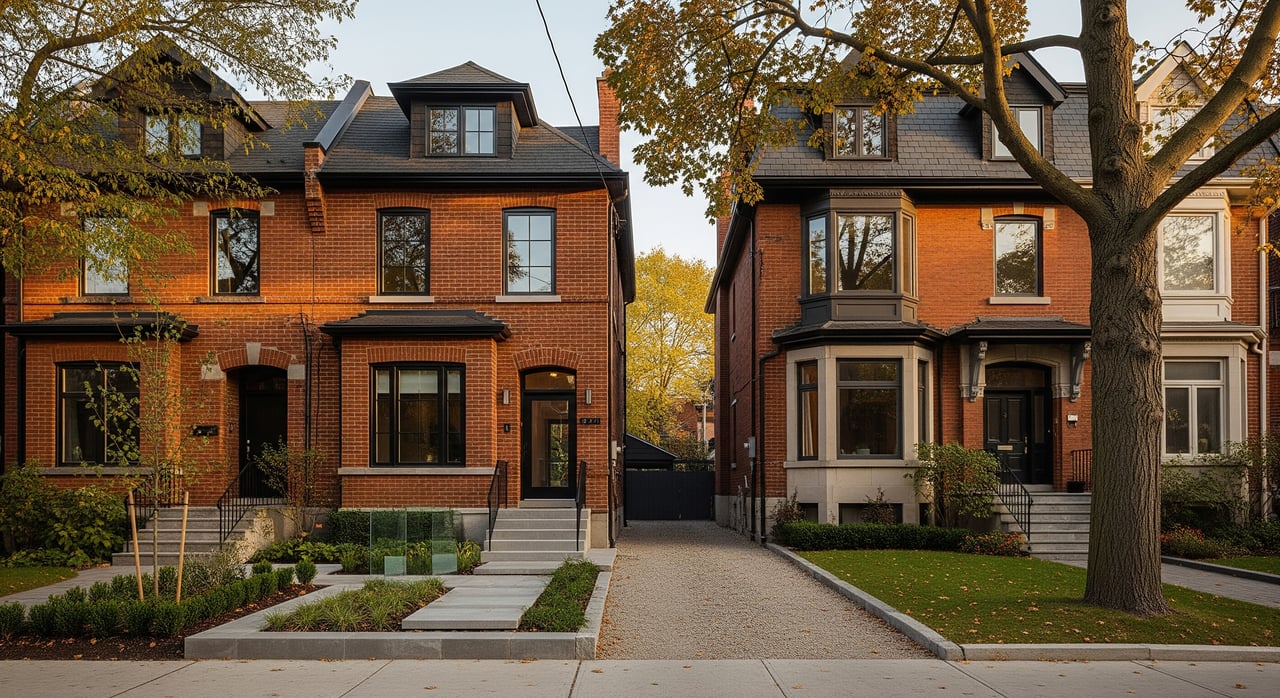
Thinking about a semi versus a detached in Palmerston - Little Italy? You are not alone. In this central Toronto pocket, streets are lined with character homes, lots are narrow, and small details like parking or a legal suite can swing value. This guide breaks down how the micro-market treats privacy, lot width, renovations, and income potential so you can decide where to focus and what to pay. Let’s dive in.
Little Italy at a glance
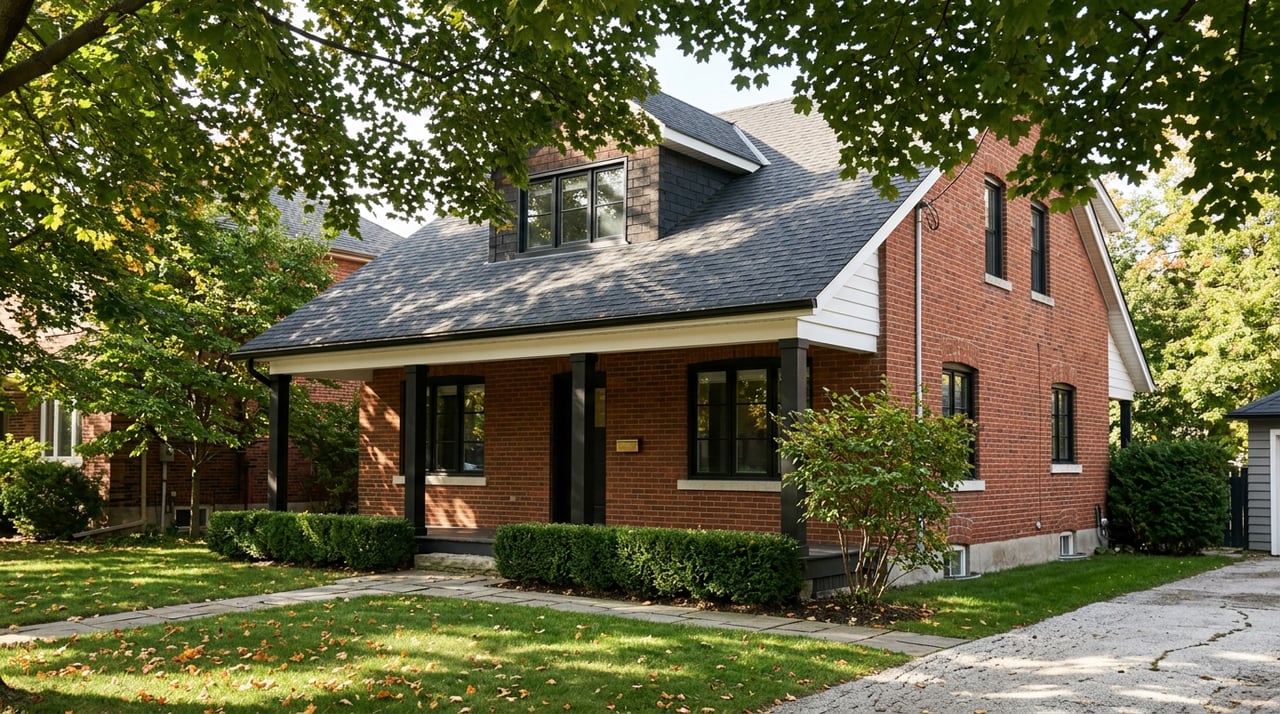
Palmerston - Little Italy is a classic inner-city neighbourhood with Victorian and Edwardian-era houses, small conversions, and lively retail and restaurants along College Street. You can hop on a streetcar for quick subway access and walk to cafés, groceries, and parks like Trinity Bellwoods. Homes often sit on narrow lots with compact backyards, and some properties back onto rear laneways.
Buyers here include urban professionals who want walkability and easy transit, upscaling families looking for parks and practical space, and investors who value basement rental income and long-term appreciation. Scarcity shapes pricing: full detached lots with wider frontage are harder to find, which makes them competitive when they hit the market.
What drives the price gap
In Little Italy, detached houses usually trade at a premium over semis. The reasons are simple: independent walls, more privacy, and fewer constraints when you reorganize or expand the home. That premium changes block by block and depends on upgrades, parking, and lot metrics.
- Lot frontage and depth: Wider frontage has outsized impact in central Toronto. It supports better floor plans, easier side access, and more flexible additions or parking.
- Condition and size: Renovated, larger interior footprints get stronger prices regardless of building type.
- Income potential: A legal basement suite or separate units can lift value by adding cash flow and widening the buyer pool.
- Parking and outdoor space: Parking and bigger yards add daily convenience, especially for families, and often command a premium.
Why frontage matters here
Frontage drives both utility and resale. Wider lots make it easier to add a proper kitchen expansion, create better room layouts, or pursue parking where permitted. On narrow streets, an extra foot or two of width can change how the entire home lives.
Privacy and redevelopment potential
Detached homes typically allow full-width additions, simpler roof and sidewall work, and a clearer path to full redevelopment where zoning and heritage rules allow it. That flexibility is a core reason detached values tend to lead.
Inventory and demand signals
Inner-city neighbourhoods run lean on inventory. In Little Italy, you will see fewer full-lot detached listings each year, while semis and conversions trade more often because they are slightly more attainable. Spring is usually busy, but relocations and investor activity keep the area active year-round.
If you want to read the market like a pro, track these by property type:
- Median days on market and list-to-sale price ratio.
- Months of inventory and new listings per month.
- Number of sales and how many listings include legal suites or multiple units.
- Recent building permit activity, which shows renovation momentum on nearby streets.
Renovation trade-offs
Upgrading is part of the story with older stock. Here is how semis and detached compare when you plan work.
Semis: shared walls, shared decisions
Semis share at least one party wall. Structural changes can be more complex since they may affect the adjoining home. You may want added soundproofing and waterproofing, and some projects will call for a party-wall agreement or coordination with neighbours. Exterior changes on side walls are limited, and heritage rules can govern street-facing facades.
Detached: more flexibility, more scope
Detached homes allow full-width additions, easier internal reconfiguration, and simpler roof or sidewall work. Lots with laneway access are stronger candidates for a garage or a laneway suite where permitted. Full-lot redevelopment is more likely to be feasible on detached lots, subject to zoning and any heritage constraints.
Common projects in Little Italy
- Basement apartments: Great for income, but they require proper permits, fire egress, and compliance. Narrow semis can be tighter for access and light wells, yet both types can work.
- Rear additions and kitchen expansions: Possible for both, but semis may need party-wall adjustments. Detached homes offer more freedom for wraparound additions.
- Rooftop decks: A practical way to add outdoor space in dense areas. Expect structural and permission requirements.
- Laneway suites: Increasingly permitted in many parts of Toronto where lots and access meet the rules. Feasibility varies address by address.
Cost and timing
Renovations in central Toronto often cost more than in the suburbs due to access, permit complexity, and strong trades demand. Older homes can hide surprises in electrical, drainage, and structure. Semis might have less exterior to upgrade, but coordination adds complexity. Detached homes can require larger total budgets because you are upgrading more building envelope.
Long-term value and resale
Why detached often leads
- Scarcity and control: You control both side walls and usually have a clearer path to add space.
- Family appeal: Larger yards, better parking options, and more privacy attract a wide resale audience.
When a semi narrows the gap
A semi that is fully renovated with a smart layout, wider-than-typical frontage, or a legal basement suite can approach or match nearby detached sales. On blocks dominated by semis, buyers may discount the semi label less.
Risks and policies to watch
- Heritage overlays: Facade and roofline changes can be limited and more complex to approve.
- City policy shifts: Rules on intensification, laneway suites, or mid-rise corridors can change how buyers value redevelopment potential.
- Party-wall and noise concerns: These are practical issues for semis that can affect resale appetite.
Income potential
Secondary suites boost flexibility and value. Legal units can improve cash flow for investors and help end-users offset mortgage costs.
Decision checklist: semi vs detached
Use this quick matrix to align your priorities with property type.
| Priority | Favors a Semi | Favors a Detached |
|---|---|---|
| Purchase budget | Often lower entry price | Higher price, higher ceiling |
| Privacy | Moderate with shared wall | Strong with independent walls |
| Future expansion | Possible, more constrained | More flexible full-width options |
| Parking potential | Block and width dependent | Often better with width/laneway |
| Income suite | Feasible with permits | Feasible with permits, easier access |
| Maintenance | Slightly smaller footprint | More exterior to maintain |
How to compare two addresses
Before you offer, line up these checks side by side:
- Verify lot frontage, lot depth, and any laneway access. Extra width adds day-to-day utility and resale value.
- Confirm parking status. Street permit, front pad, laneway, or garage each influences price and convenience.
- Assess interior size and condition. Look for renovated kitchens, bathrooms, and mechanicals, plus potential to reconfigure.
- Check for a legal secondary suite or a clear path to add one. Separate entrance, ceiling height, egress, and permits matter.
- Review heritage status and local zoning. These define what you can change on the facade, roofline, or addition.
- Scan recent building permit activity nearby. Active renovation corridors can signal rising values and fresh comparables.
- Read the block context. On streets dominated by semis, price gaps can compress. On streets with rare wide detached lots, premiums can expand.
When a detached is worth stretching
If you want privacy, larger outdoor space, and the ability to expand over time, a detached home on a wider lot often wins the long game. The combination of yard, parking, and redevelopment flexibility typically supports stronger resale.
When a semi is the smarter move
If you prioritize walkability and a central location without pushing your budget into the top bracket, a renovated semi with good width, smart layout, and a legal suite can be a standout choice. You keep the neighbourhood advantages while capturing income potential and a lower purchase price.
Ready to weigh your options?
If you are comparing semis and detached homes in Little Italy, local nuance matters. A one-foot difference in frontage or the presence of laneway access can shift value by six figures. For a tailored read on streets, lots, and permit history that aligns with your goals, connect with Catherine Mortimer. Request a personalized market plan and move forward with confidence.
FAQs
Will a detached always appreciate more than a semi in Little Italy?
- Not always. Detached homes tend to lead due to scarcity and flexibility, but a fully renovated semi with better frontage or a legal suite can match or exceed some detached sales.
Why is lot frontage so important in central Toronto?
- Frontage impacts floor plan quality, parking or garage options, and addition potential, which all flow through to resale value.
Are semis noisier than detached homes?
- Shared walls can introduce noise concerns, but soundproofing and construction quality vary. Many semis perform well when upgraded.
Can I add a laneway suite in Palmerston - Little Italy?
- Possibly. Many parts of Toronto permit laneway suites where lots meet zoning, servicing, and access rules. Always verify property-specific eligibility.
What renovation projects add the most value here?
- Legal secondary suites, thoughtful kitchen and rear additions, and structural updates that improve layout and light typically add strong utility and resale.
When is the market most active in Little Italy?
- Spring tends to be busier, but this central area sees activity year-round due to relocations and investor demand.